Spatial Integration of green space into multifunctional green networks to maximise connectivity
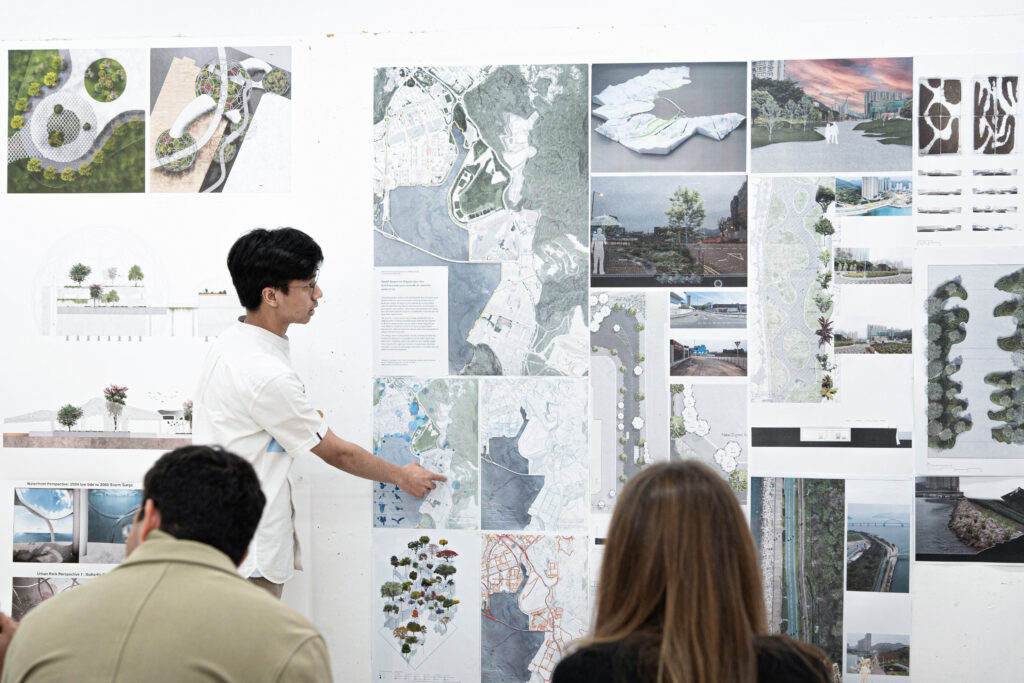
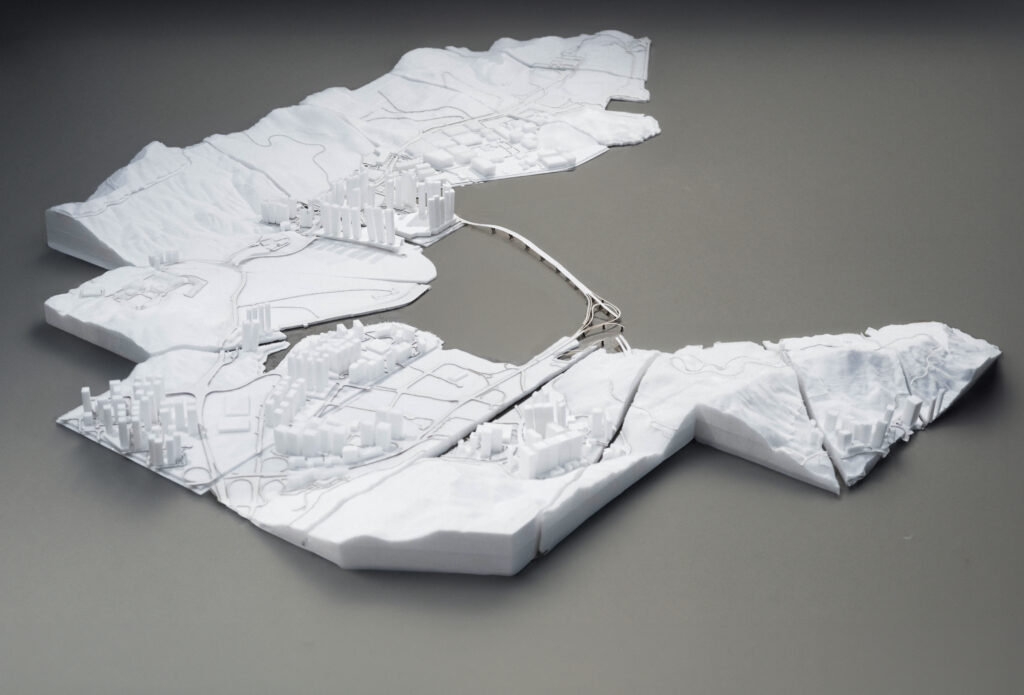
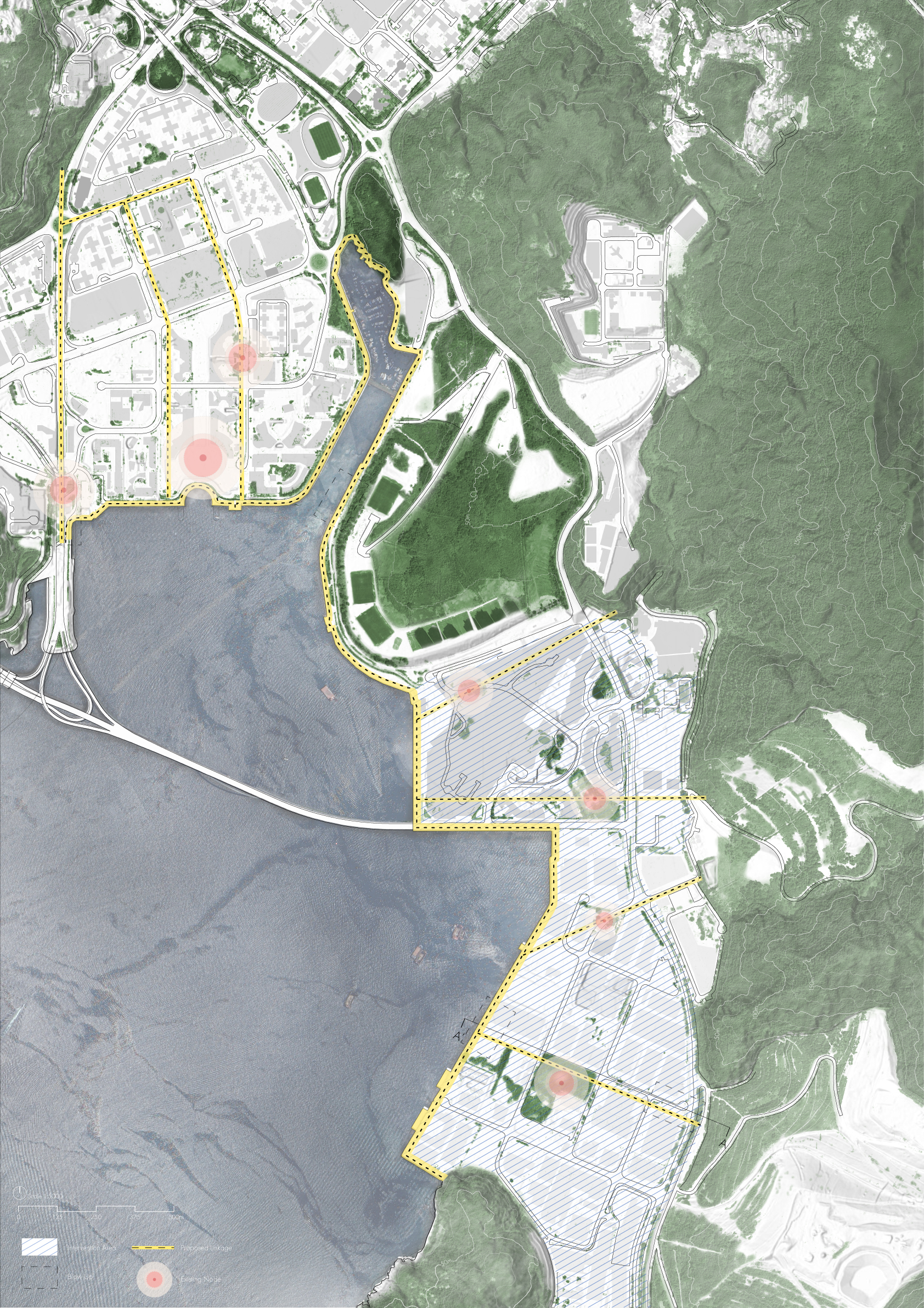
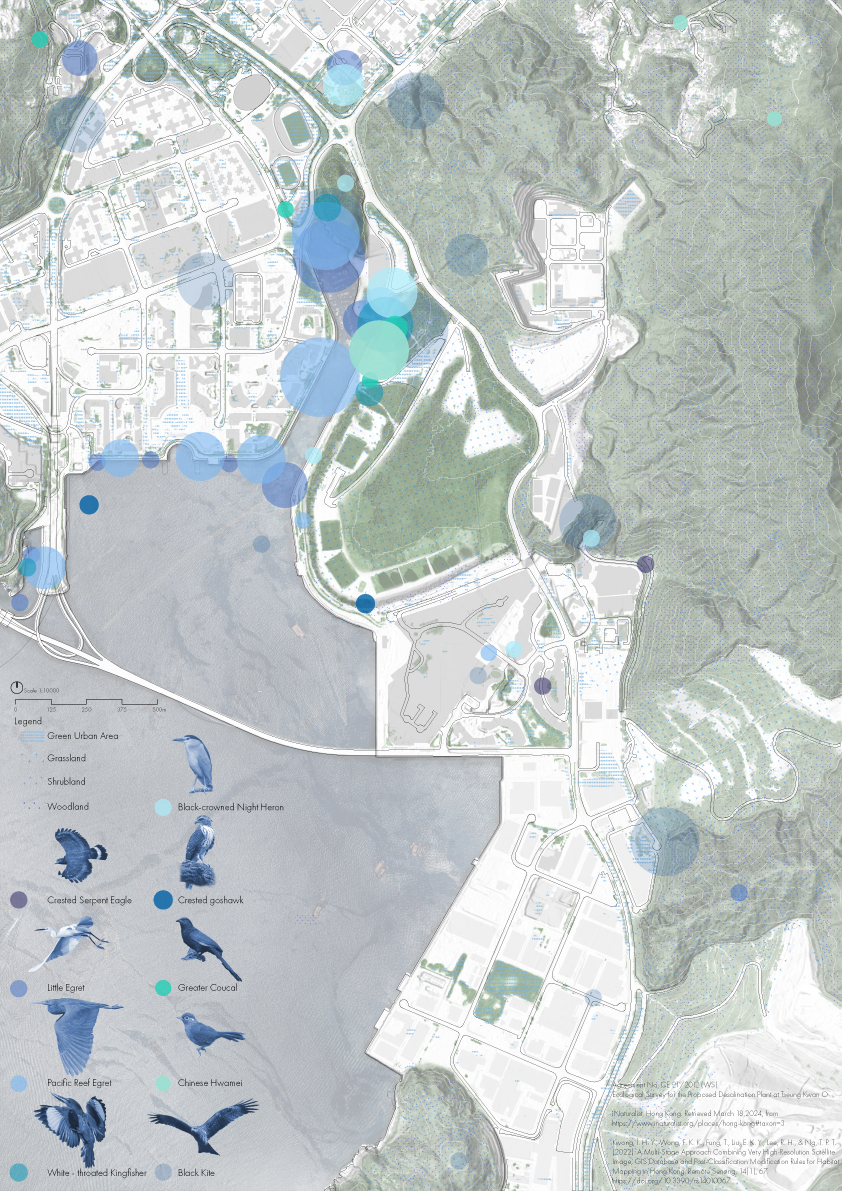
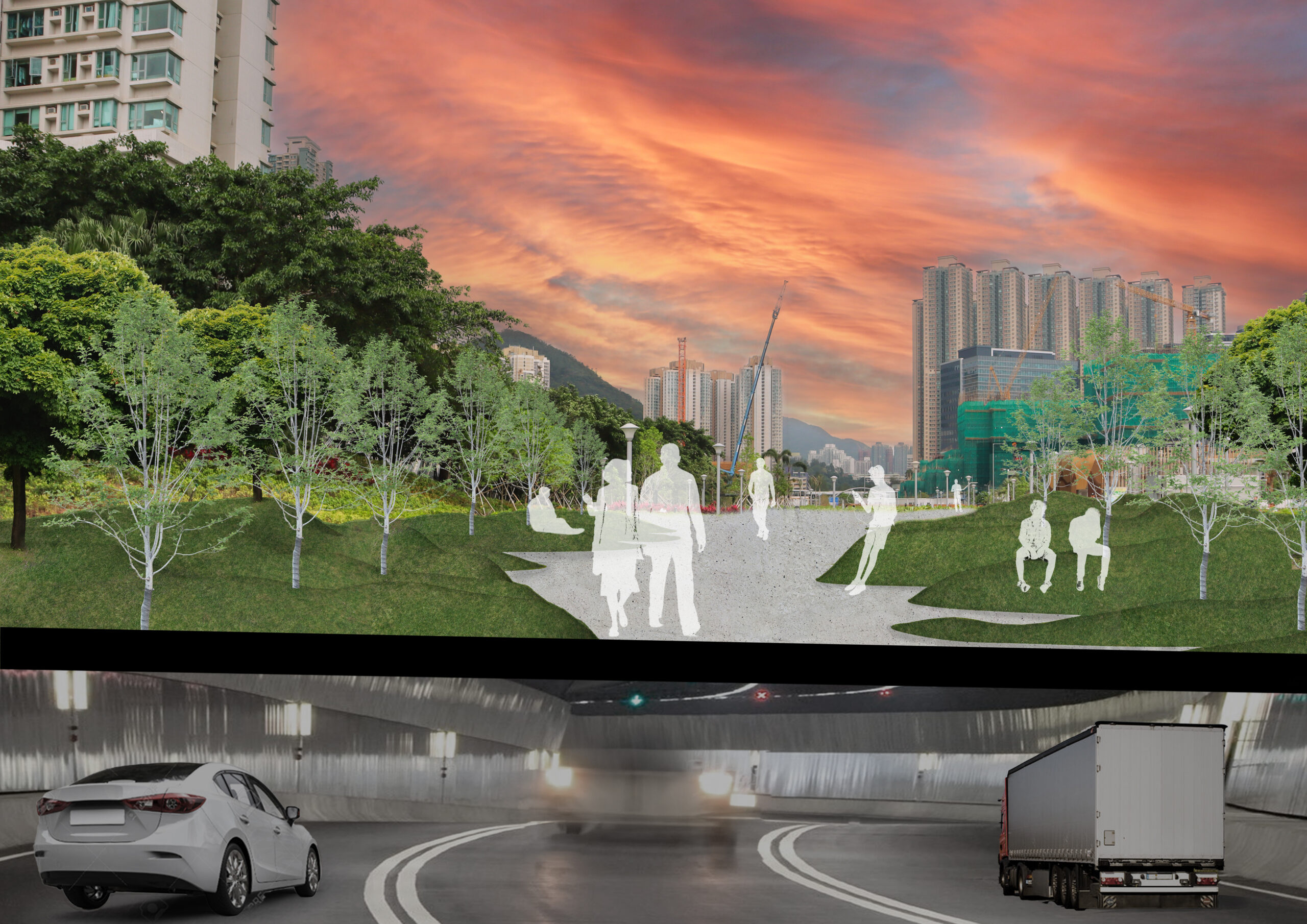
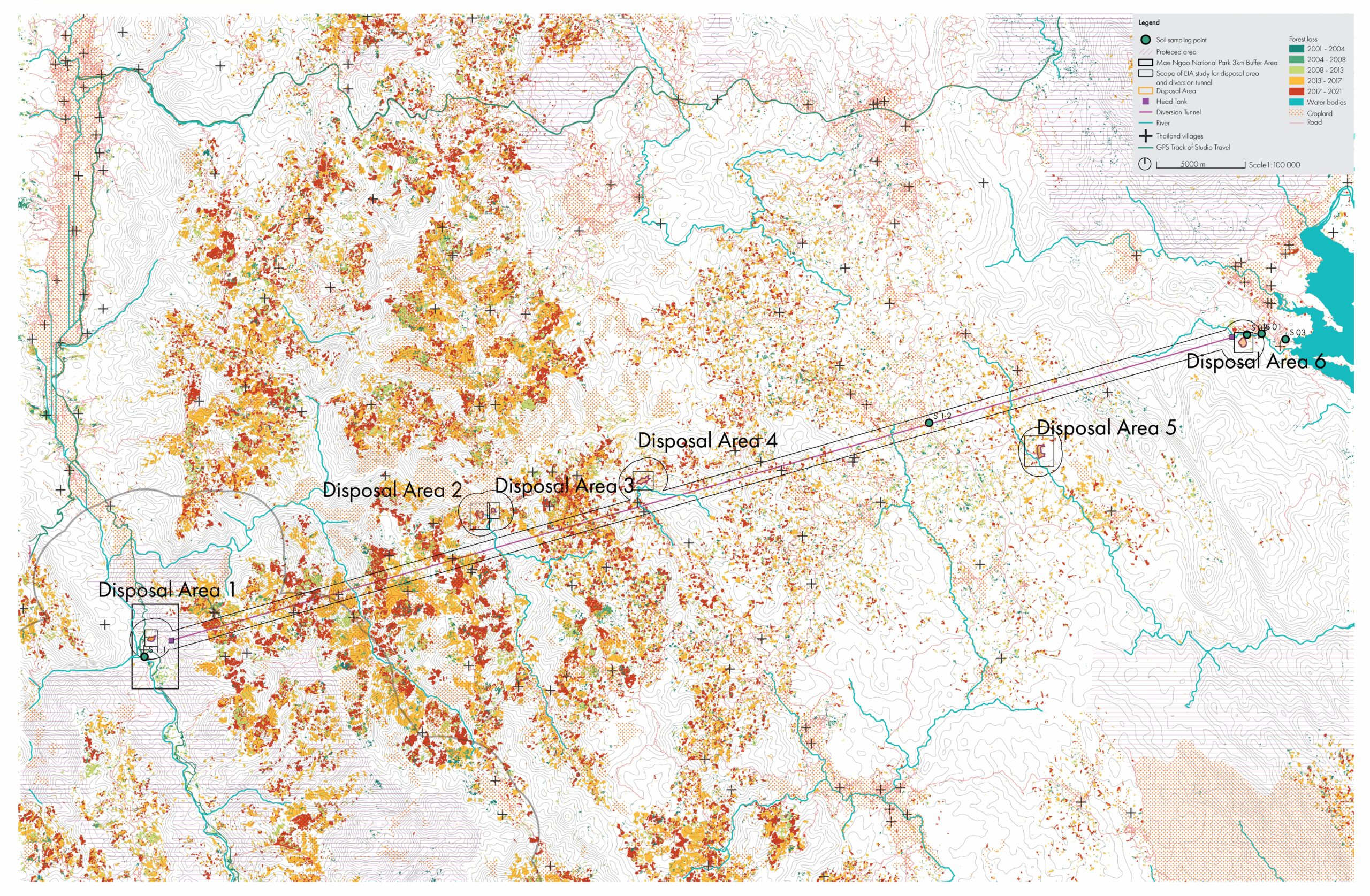
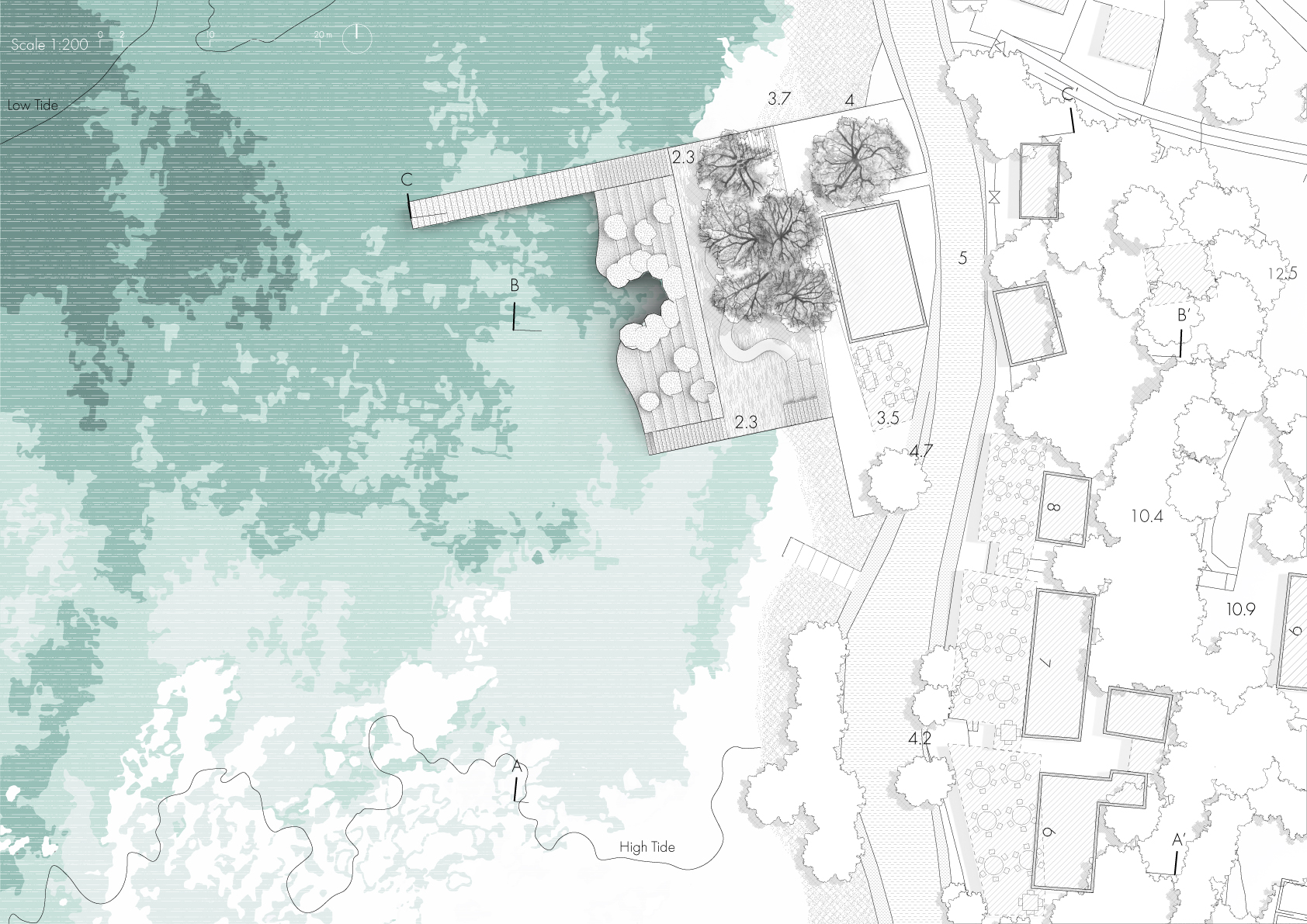
This design project centers on the development of an ecological green network within an urban environment. Utilizing the principles of landscape ecology, the plan involves identifying existing natural networks and enhancing them by maximizing the size and quality of green patches and corridors. These interconnected nodes and linkages are vital for the dispersal of species, ensuring their long-term survival amid urban fragmentation.
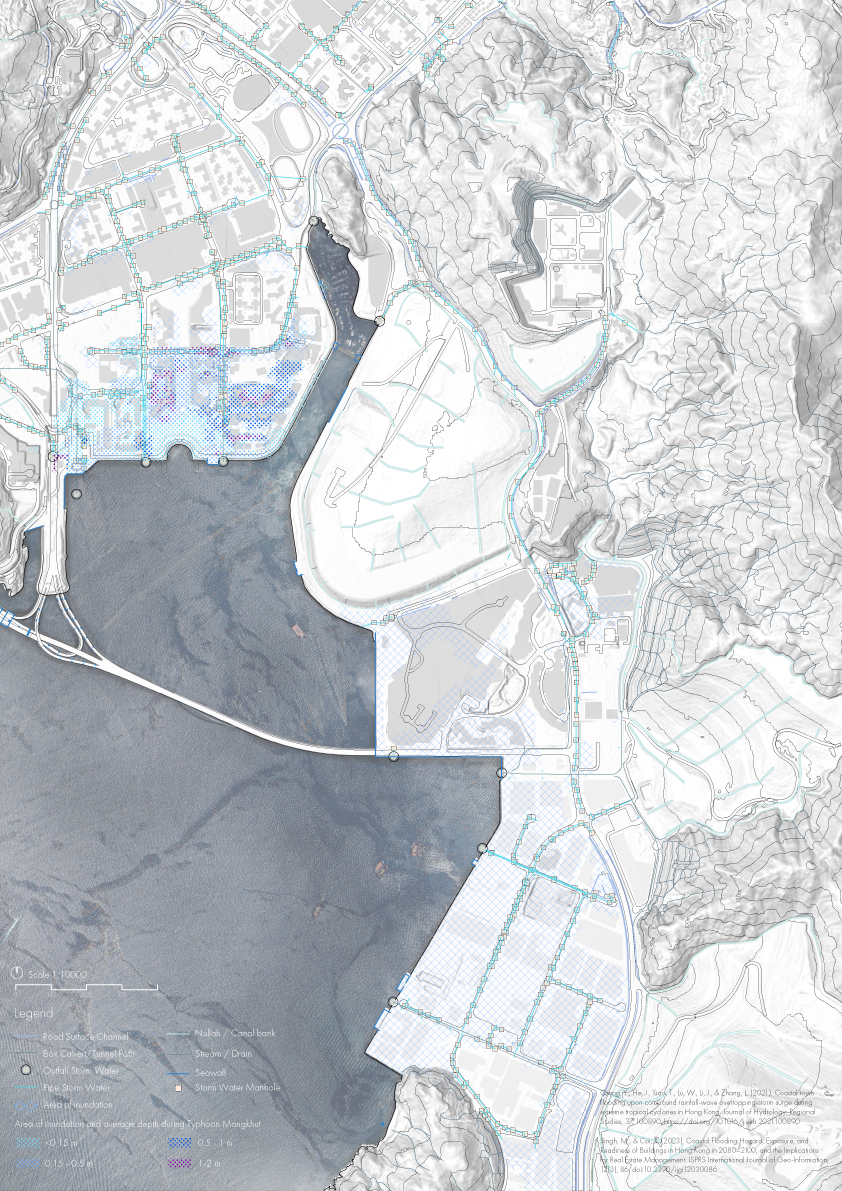
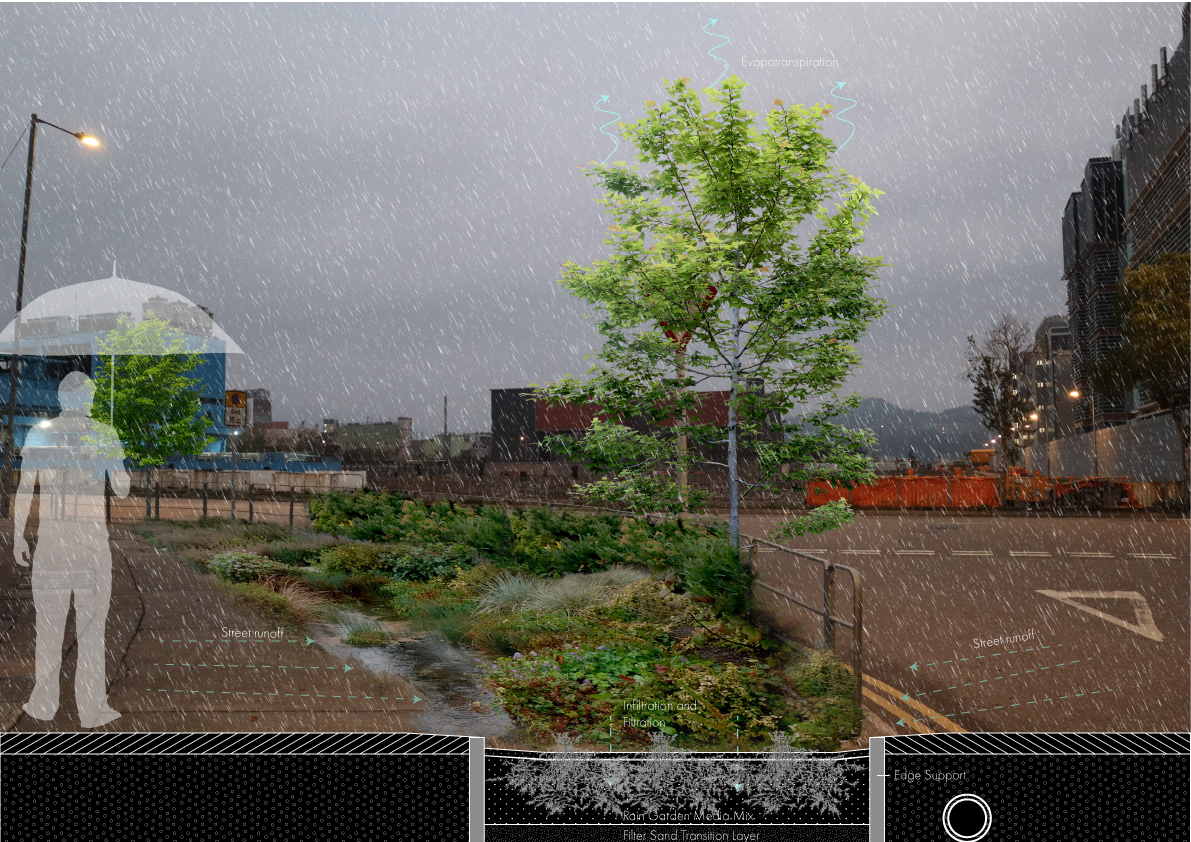
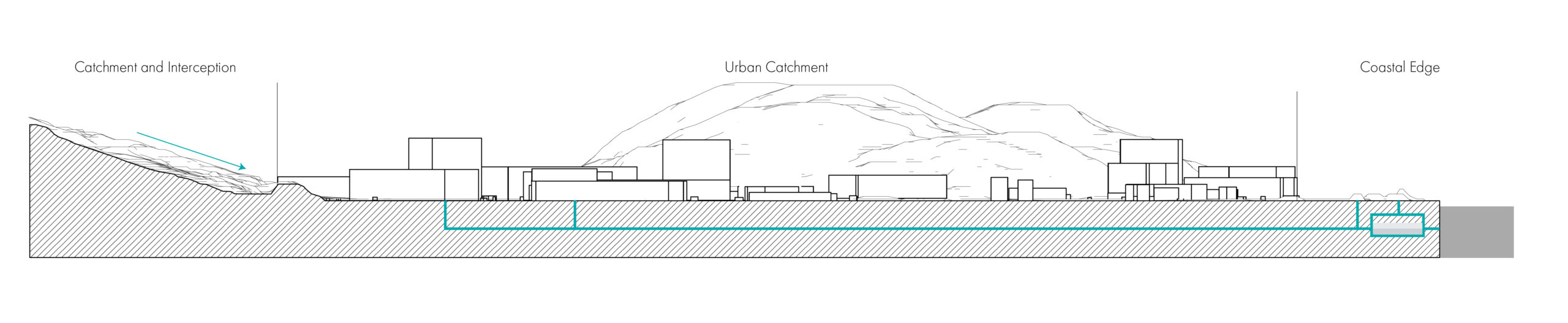
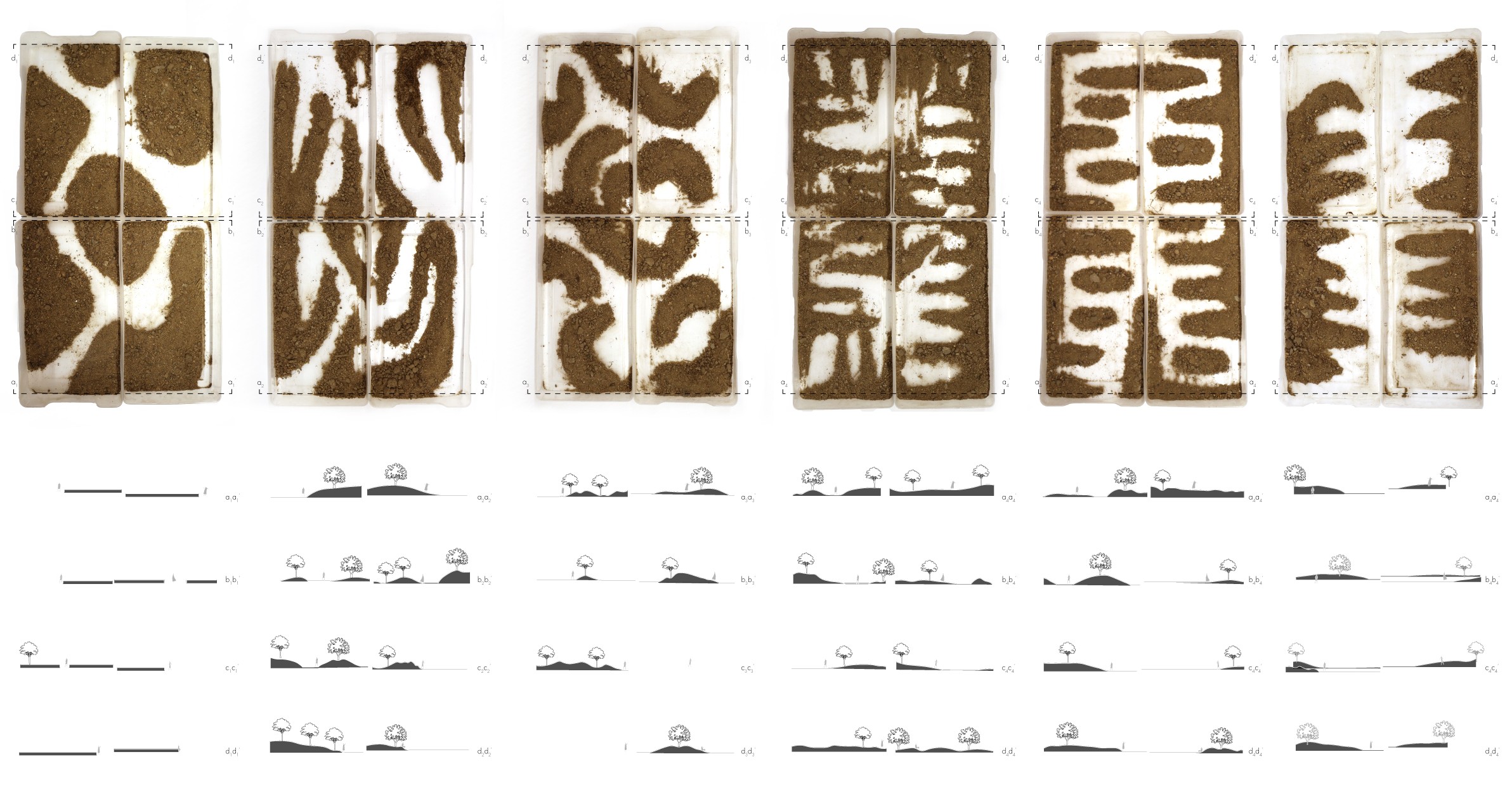
The network is conceived not just as linear corridors but also as stepping stones, creating a multifunctional landscape that supports biodiversity and ecosystem services such as flood mitigation and water filtration. Emphasis is placed on increasing green space heterogeneity, reducing non-native species, and connecting patches to enhance habitat functionality.
The strategy aims to foster greater circuitry, ensuring the network’s resilience to disruptions. It extends beyond the urban core to non-urban areas, integrating small-scale additions like roadside verges. This comprehensive approach to green network design optimizes ecological connectivity, promoting a harmonious coexistence between nature and urban development.