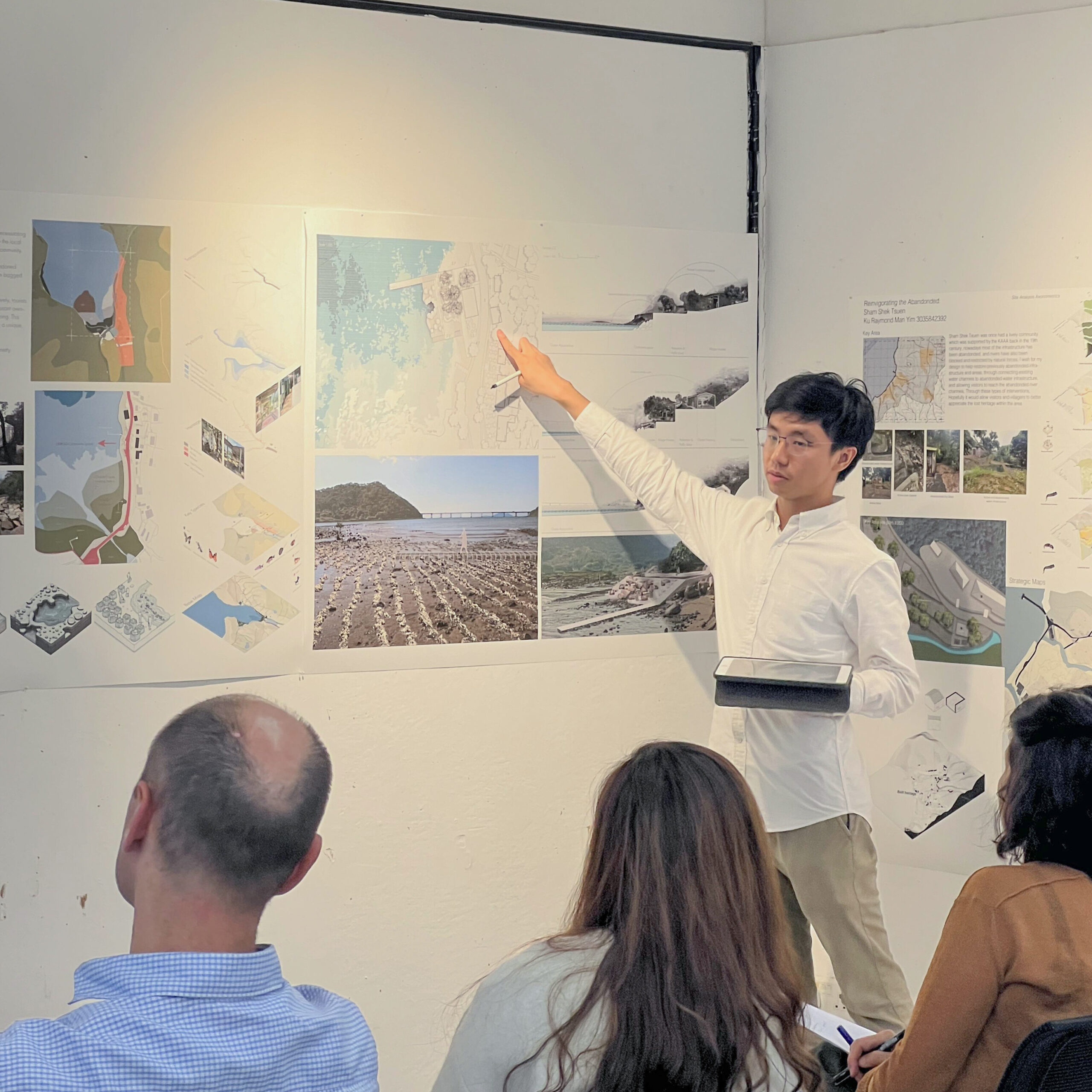
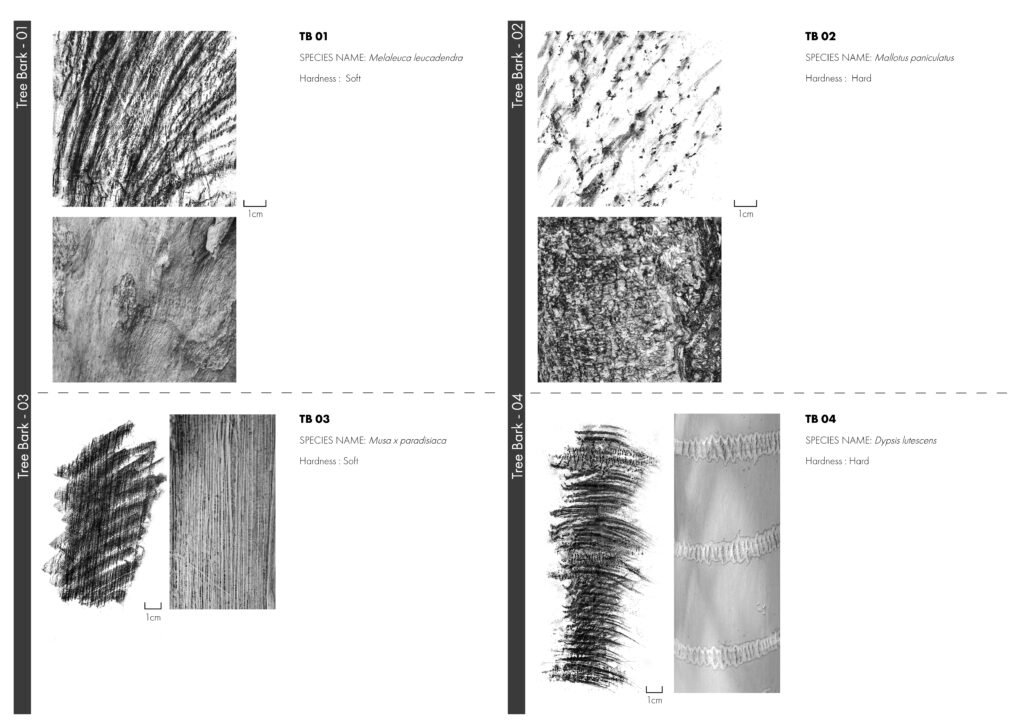
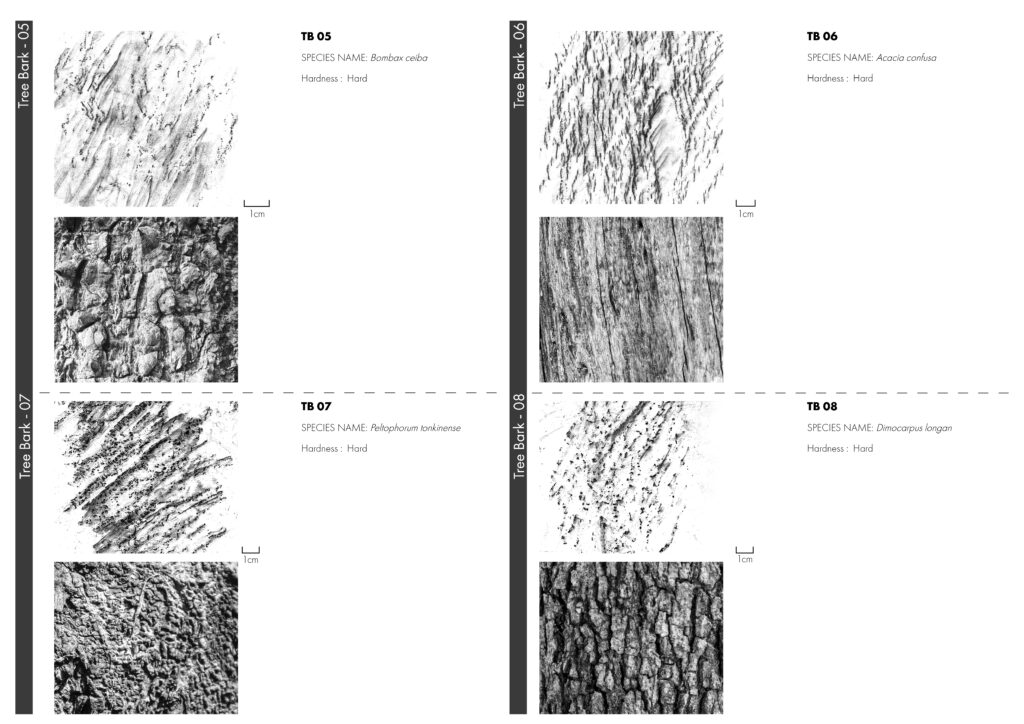
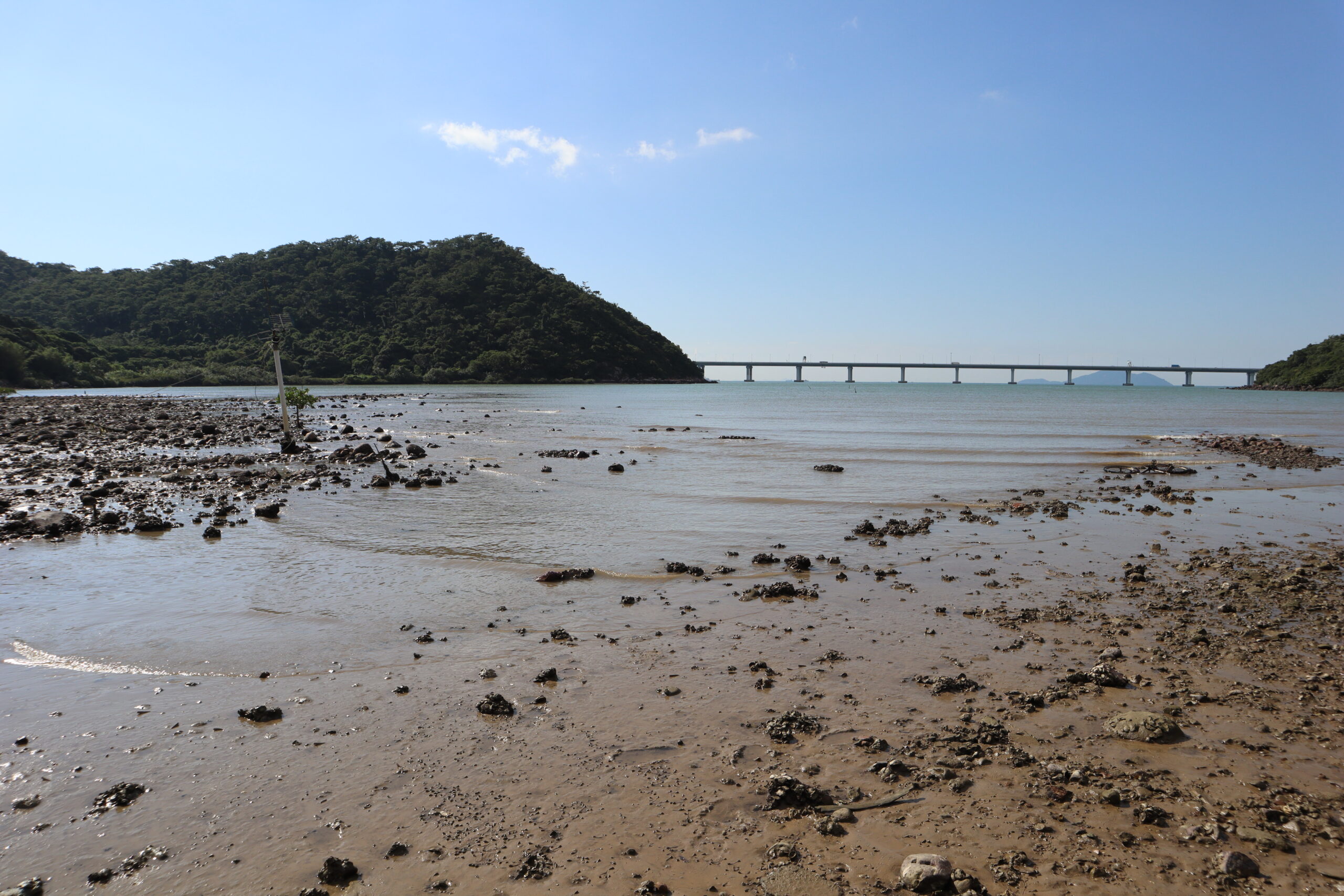
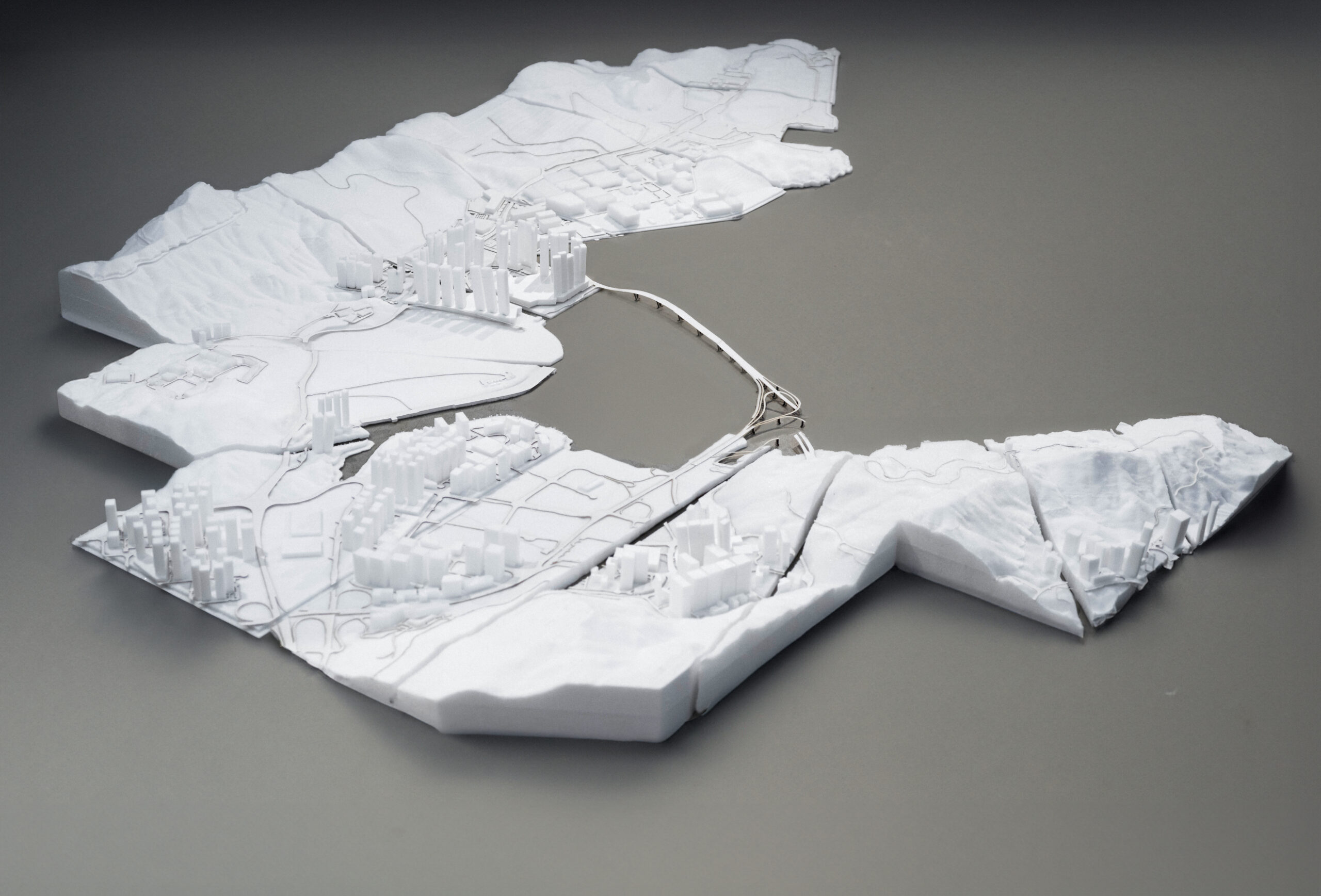
This studio explores the interplay between landscape systems and human settlements. Landscape systems—defined as interconnected networks of geological, hydrological, climatic, and ecological components shaped by natural processes and human interventions—serve as the foundation for understanding how environments evolve over time. This studio emphasizes sustainable strategies that anticipate future challenges like sea-level rise, while integrating cultural heritage and community needs. Centered on Sham Shek Tsuen, a coastal village along the Tung O Ancient Trail on Lantau Island’s northern coast, it features diverse ecosystems including woodlands, shrublands, overgrown agricultural fields, tidal flats, and rocky shores.
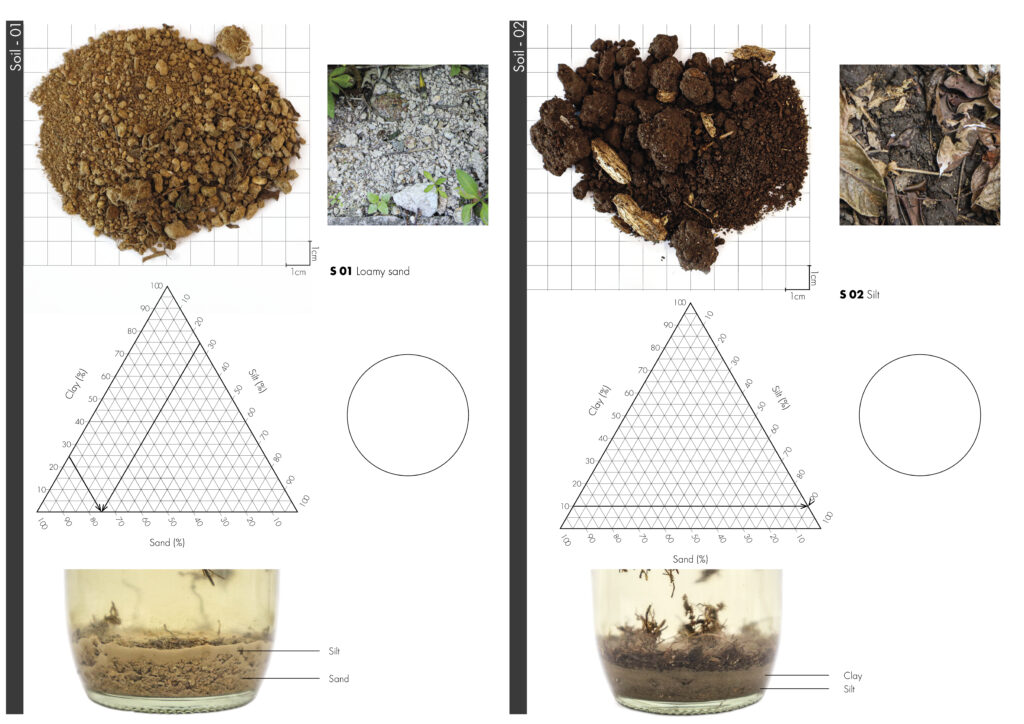
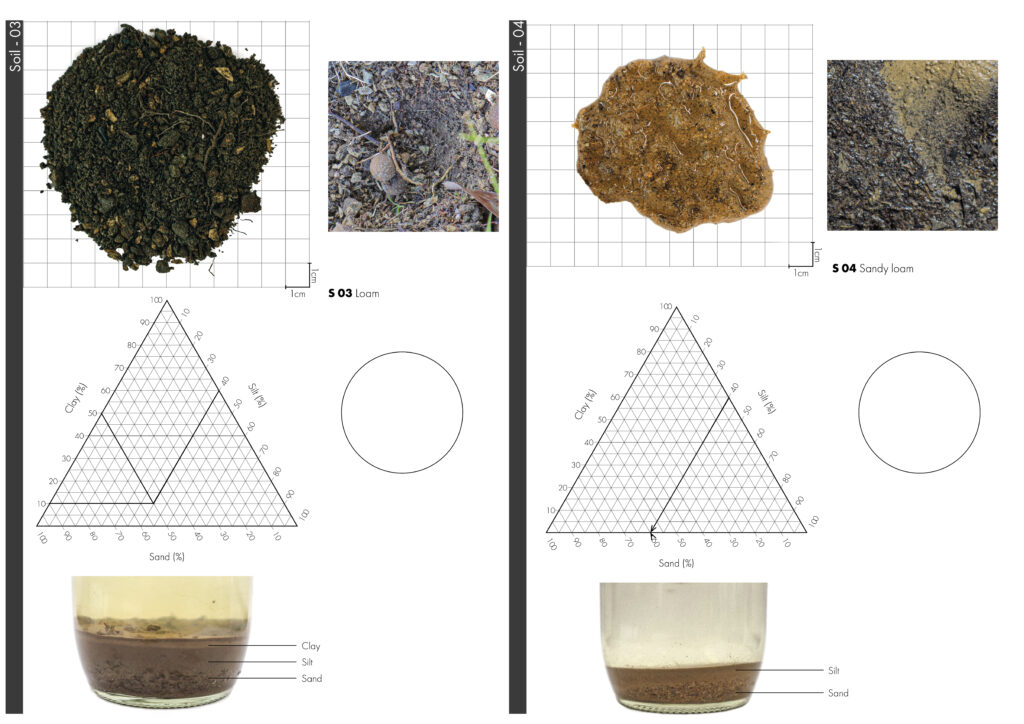
Fieldwork focused on site observations to document hydrological, ecological, and geological processes alongside existing uses and connections. Using soil as a mediator, I examined how human activities influence soil texture. I collected samples from various spots across the site. By sedimentation method, I achieved stratification, separating layers of silt, sand, and clay to quantify their respective percentages. These results were visualized in a triangular soil texture diagram, revealing patterns of soil degradation from abandonment.
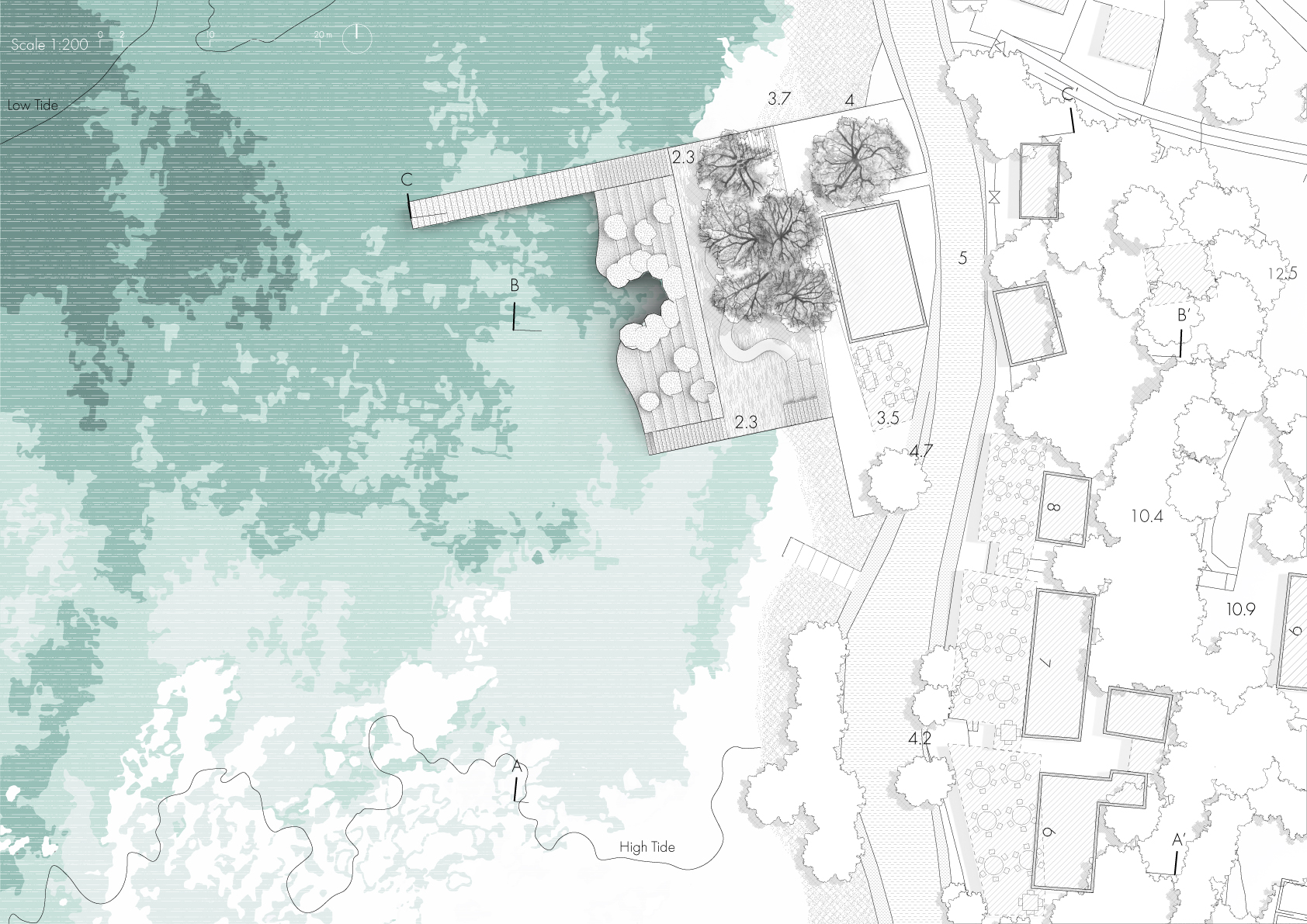
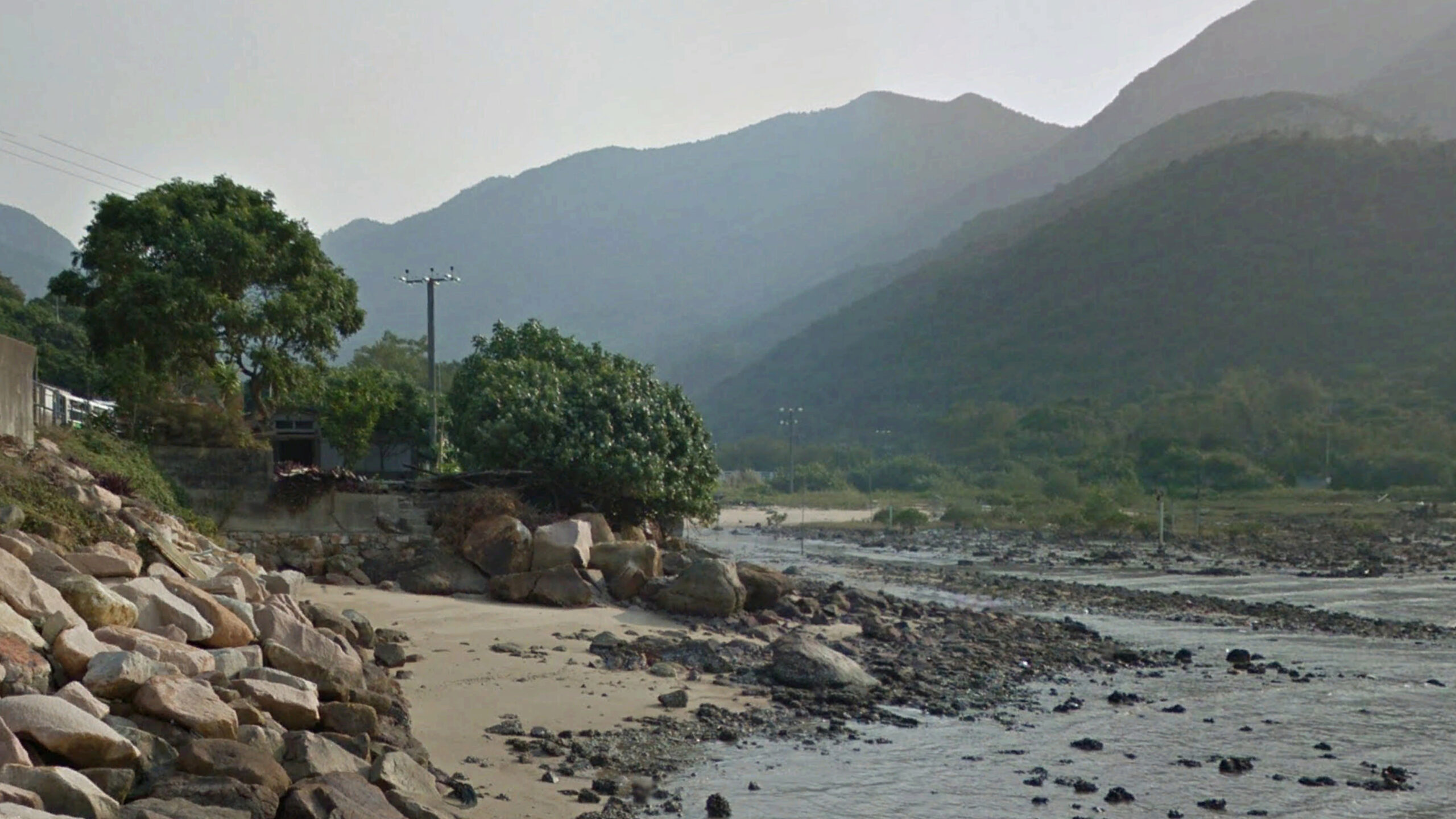
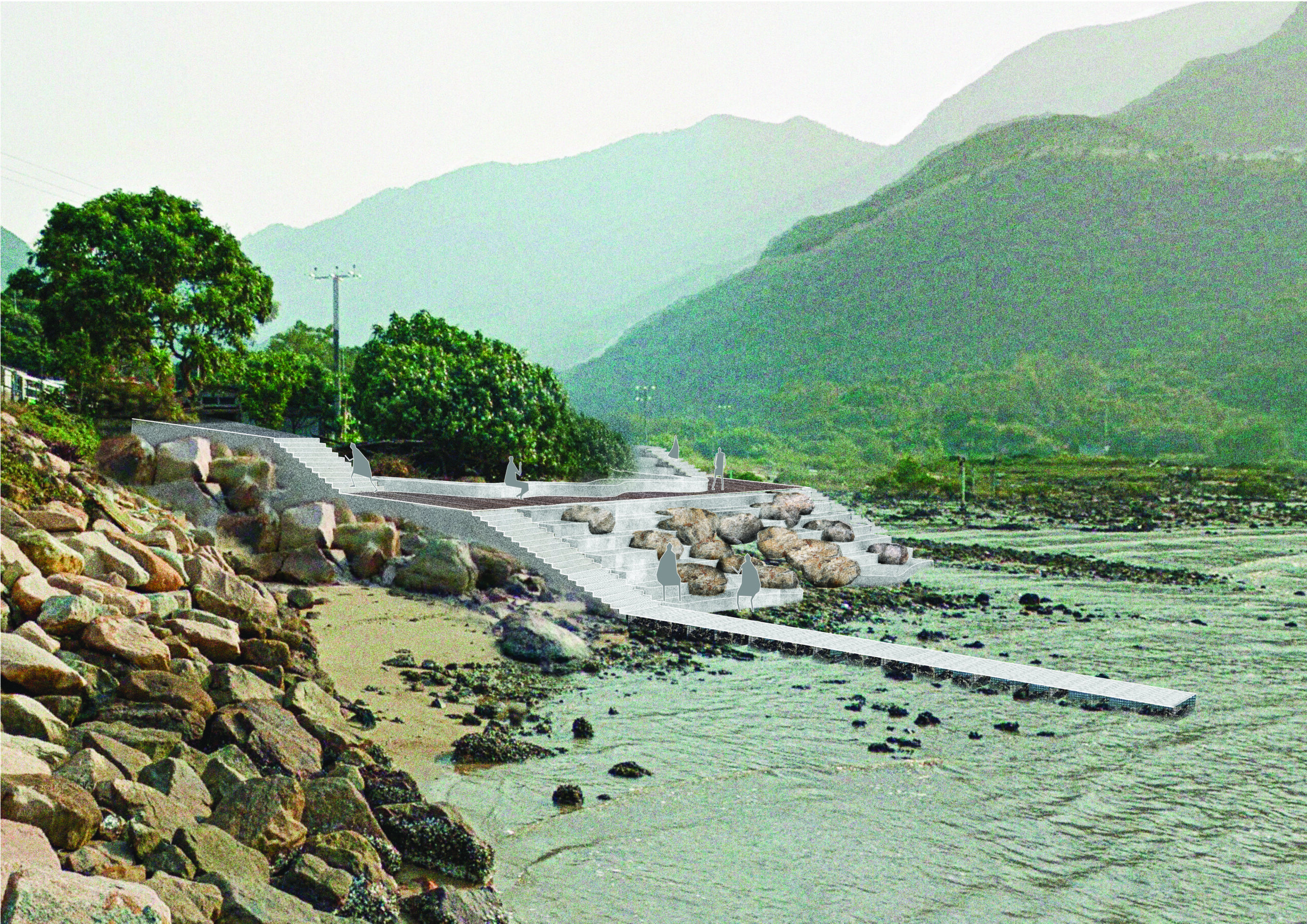
Building on this, Project 3 involved gmapping and strategic armatures for a section of the Tung O trail and its surrounding context. Through quantitative and qualitative analysis, we identified key conflicts and opportunities, including three primary problems: 1) limited community spaces for gathering and recreation; 2) restricted access to the mudflat, hindering interaction with coastal ecosystems; and 3) the lack of ecological response in existing coastal defense strategies, which prioritize rigid structures over adaptive, biodiversity-enhancing solutions.
Restorative Aquaculture: Reviving Oyster Reefs for Community and Ecology
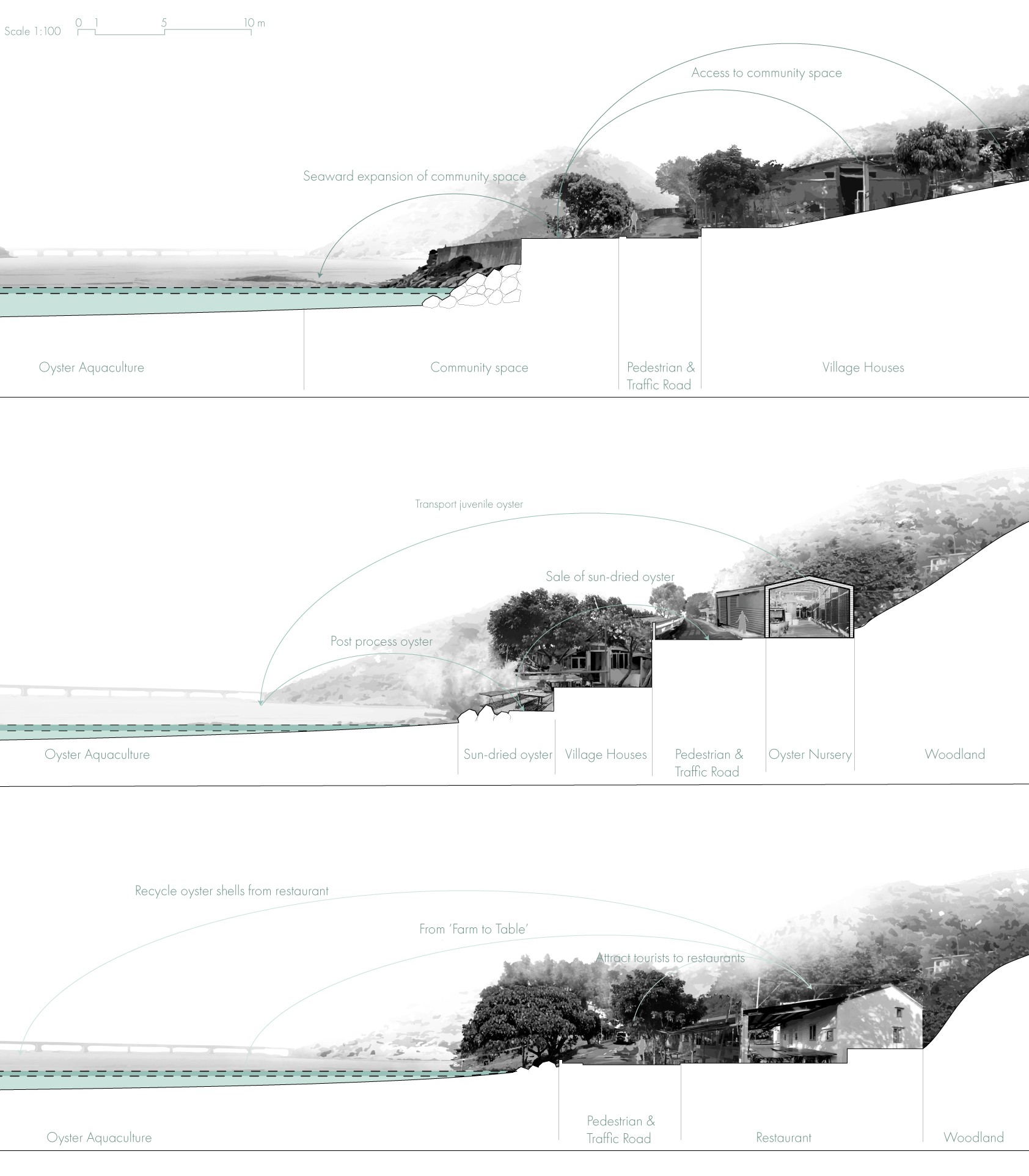
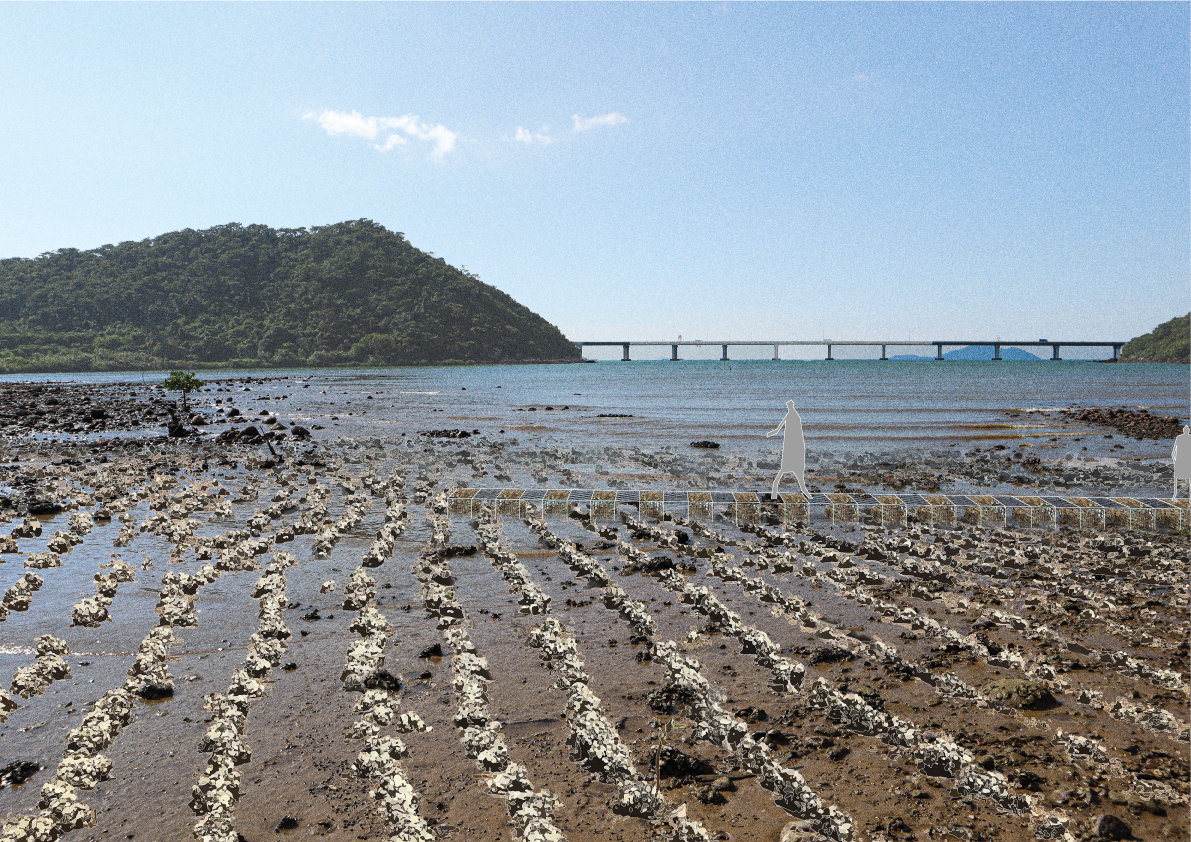
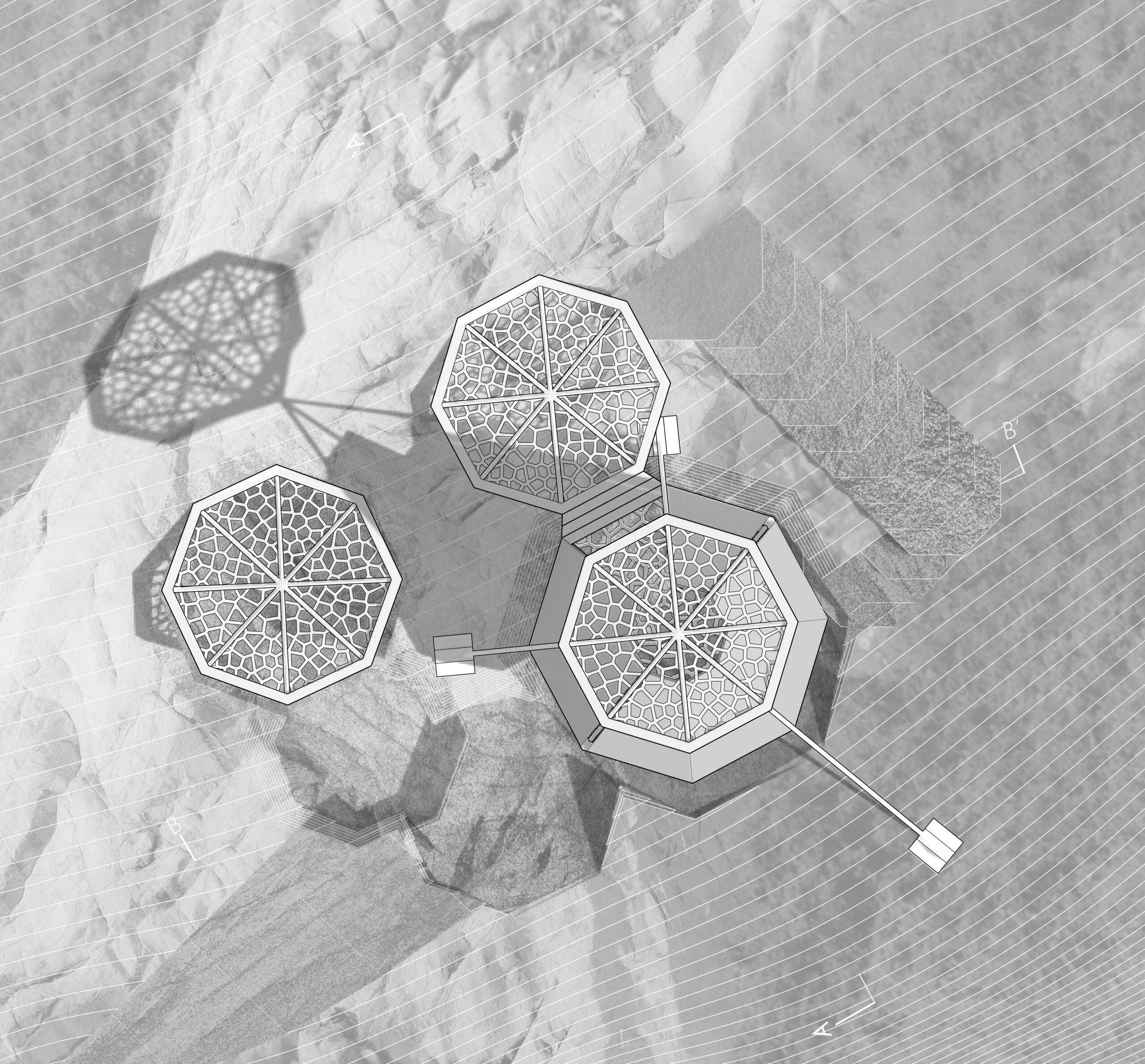
The site’s once-thriving reefs have deteriorated, exacerbating coastal vulnerability and economic decline. My proposal implements restorative aquaculture to rejuvenate the local economy, create net-positive environmental impacts, and preserve maritime cultural heritage. By strengthening connections between restaurants, residents, and abandoned structures, the design repurposes oyster shells collected from local eateries. These shells are bagged and deployed as substrates for juvenile oysters to attach, fostering reef regeneration along the mudflat.
Restaurant owners can harvest oysters directly offshore, or tourists can engage in hands-on harvesting, with the yield integrated into farm-to-table dishes. This interactive approach not only promotes sustainability but also addresses the identified issues: it enhances mudflat access through stepped pathways and viewing platforms, and improves coastal defenses by incorporating heterogeneous structures that support habitat diversity and wave attenuation.