Project statement
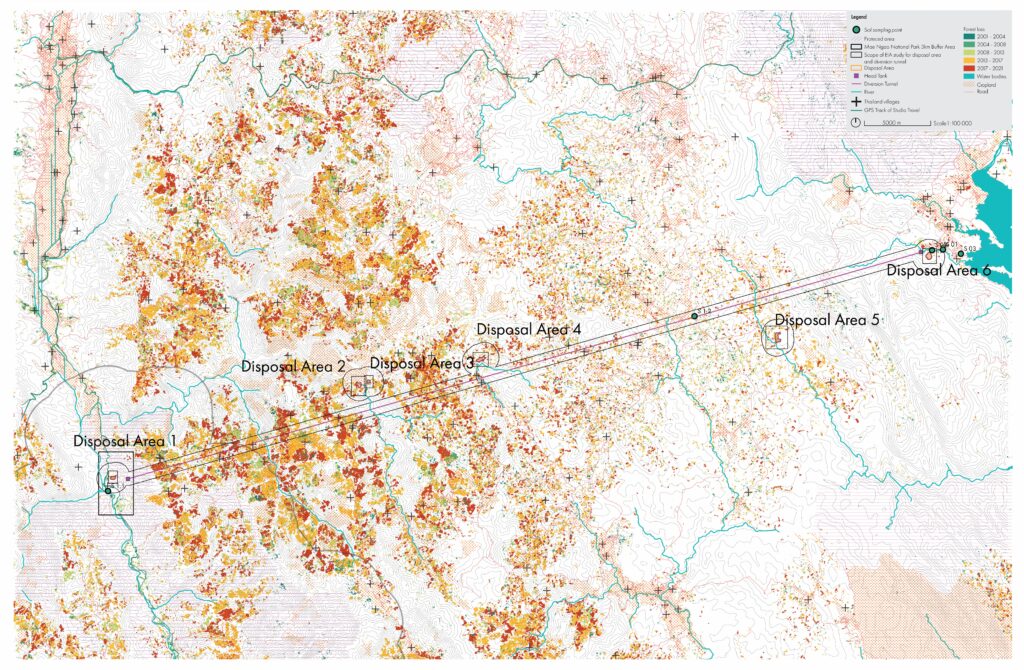
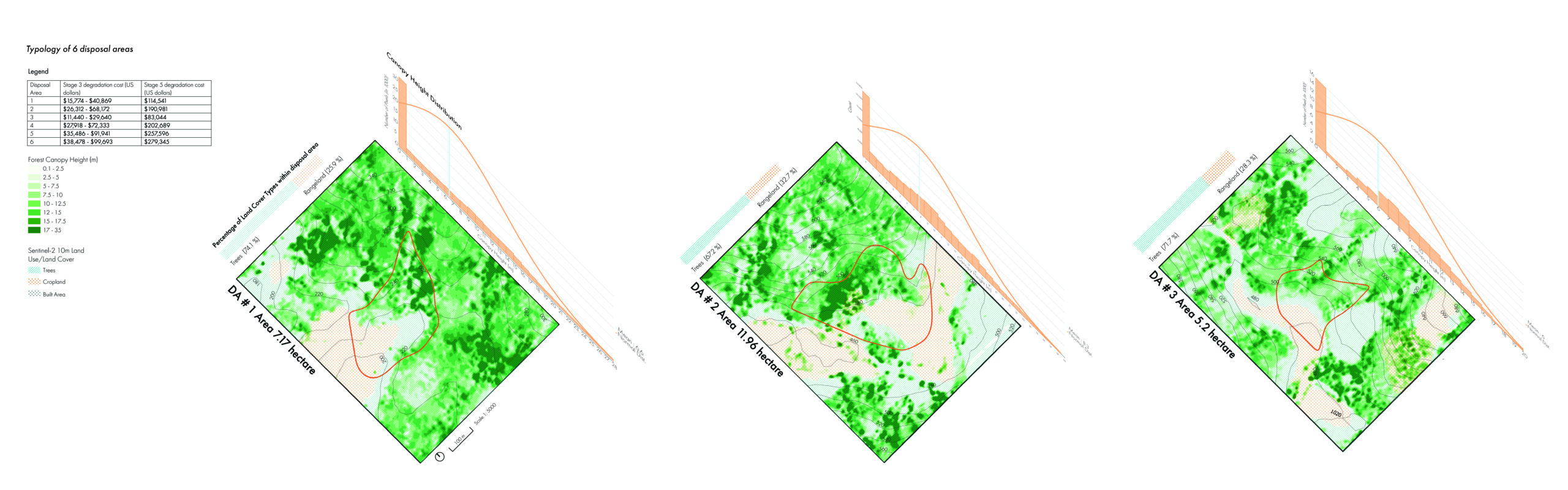
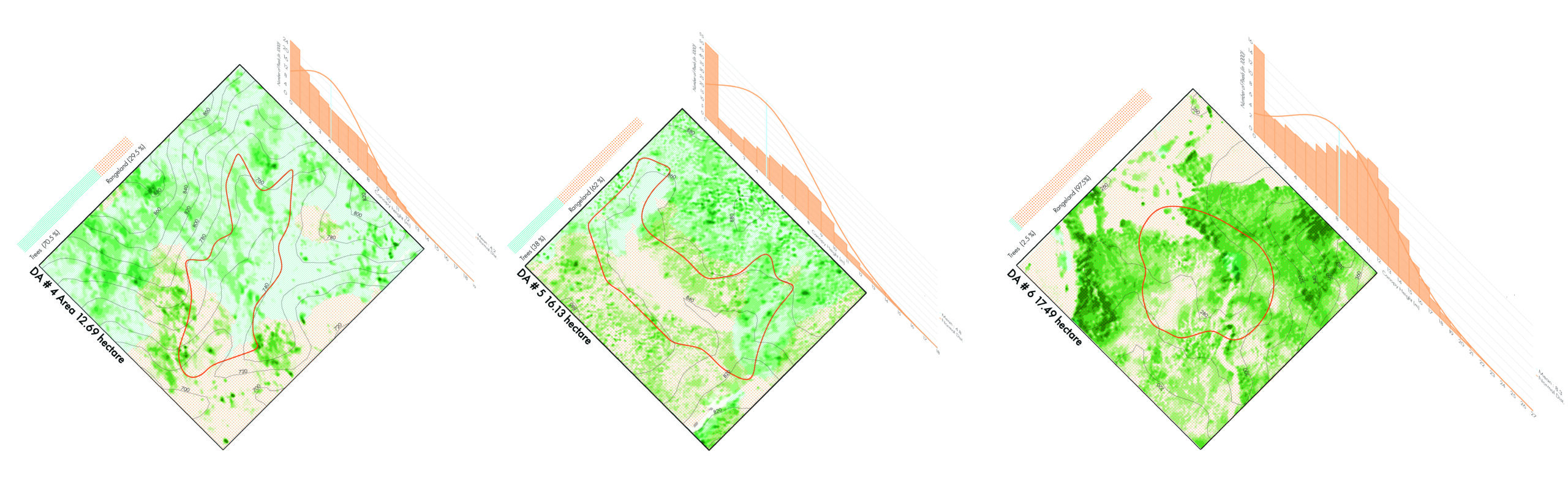
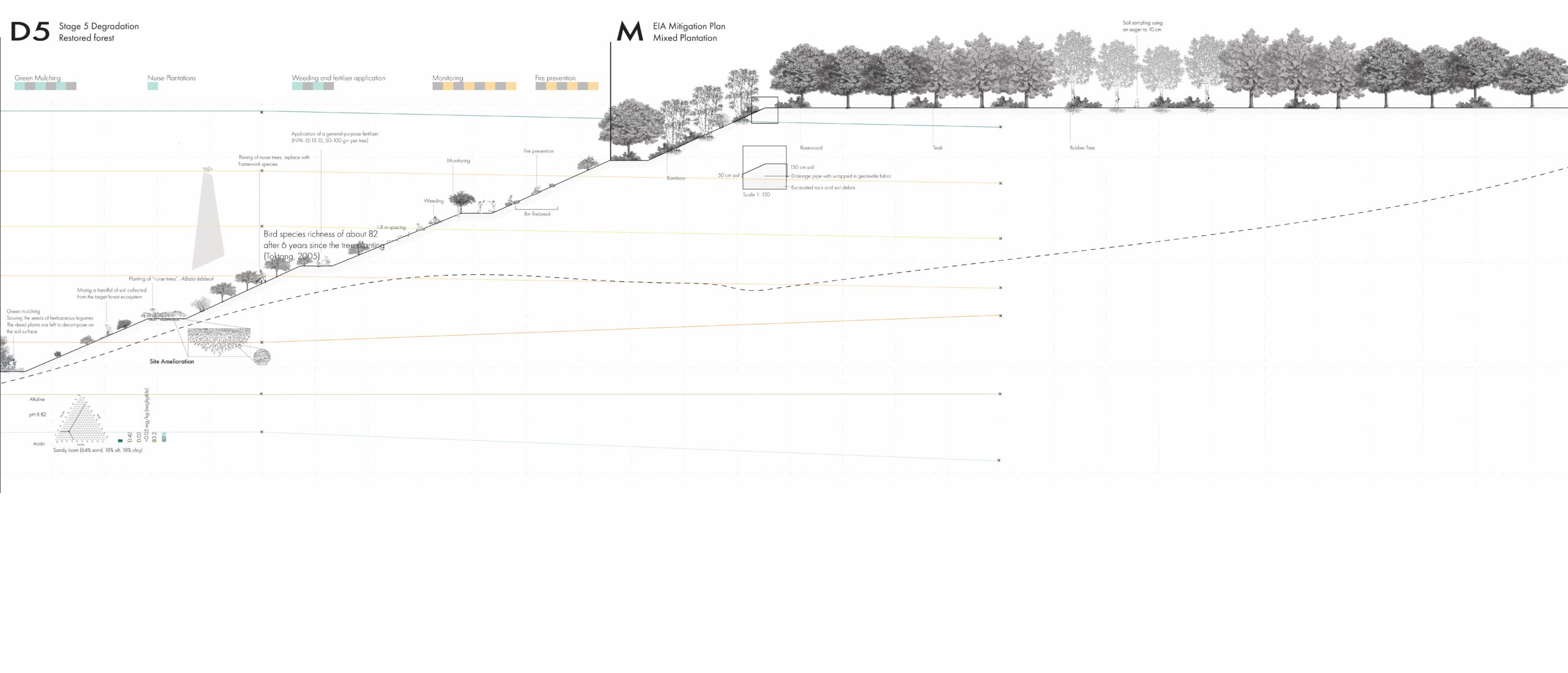
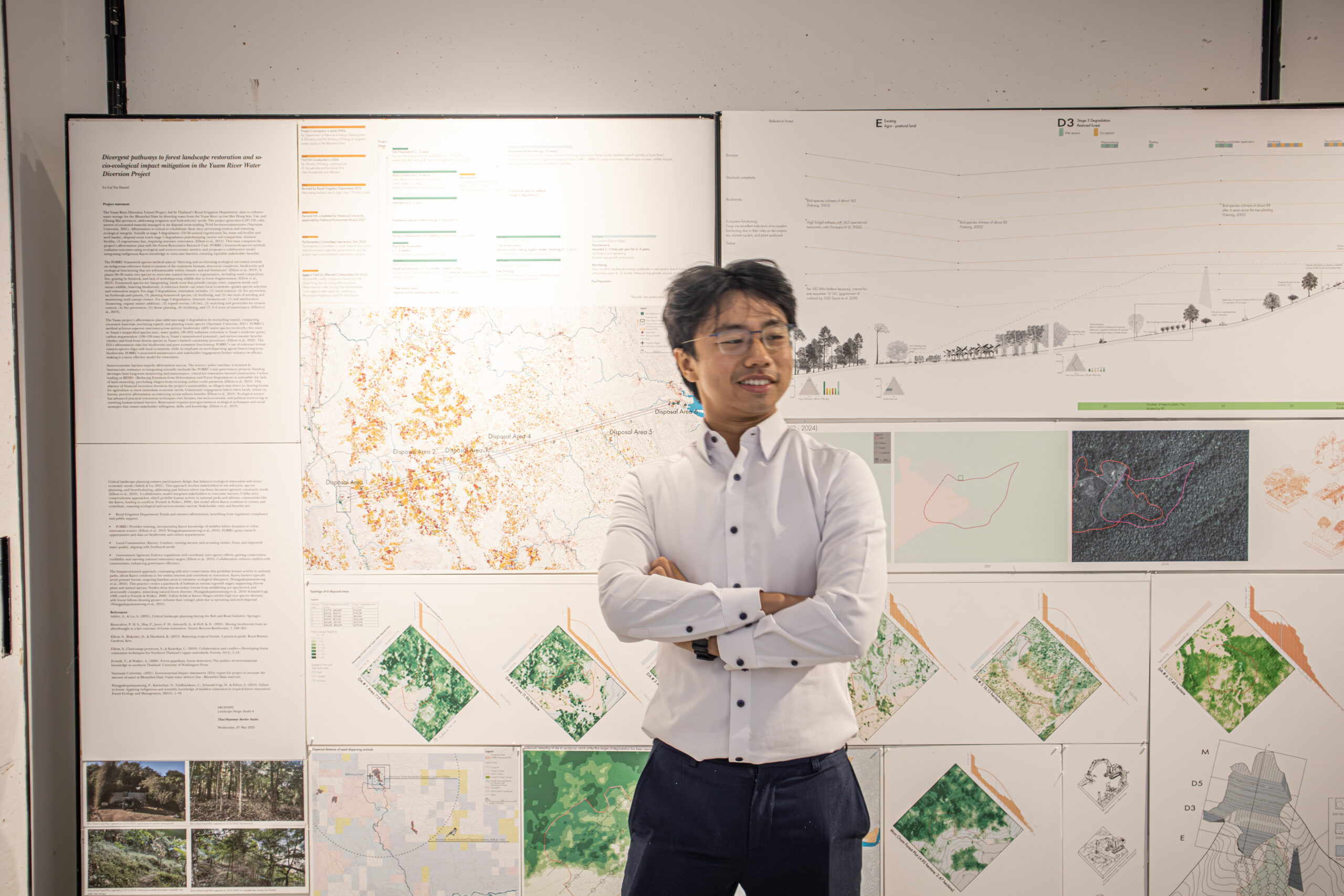
The Yuam River Diversion Tunnel Project, led by Thailand’s Royal Irrigation Department, diverts water from the Yuam River across Mae Hong Son, Tak, and Chiang Mai provinces to boost storage at Bhumibol Dam for irrigation and hydropower. The project generates 6,187,135 m³ of excavated material managed in six disposal areas totaling 70.64 hectares (Naresuan University, 2021), necessitating afforestation to prevent erosion and restore ecological integrity. This project compares the project’s afforestation plan with the Forest Restoration Research Unit (FORRU) framework-species method, evaluates outcomes using ecological and socio-economic metrics, and proposes a collaborative model integrating indigenous Karen knowledge to overcome barriers, ensuring equitable stakeholder benefits.
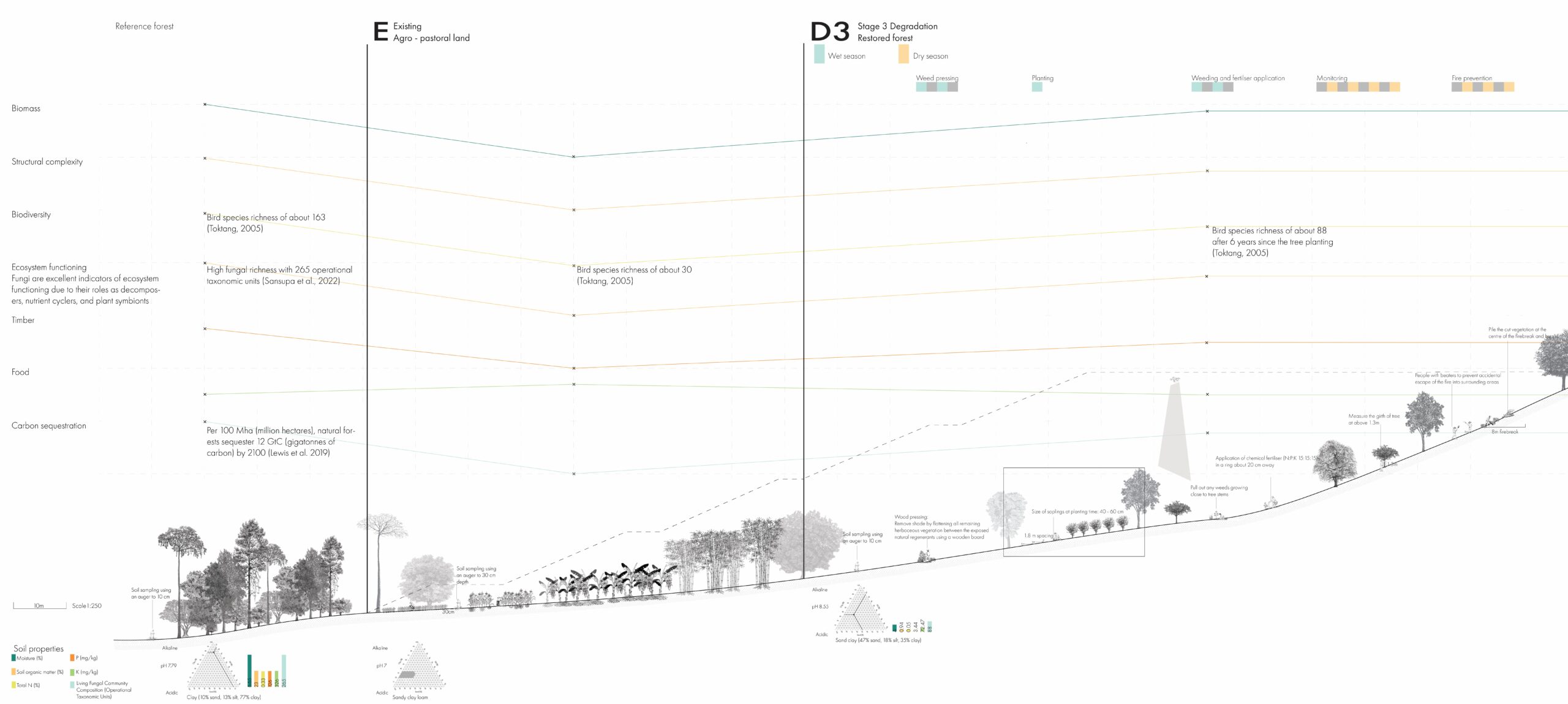
FORRU’s framework-species method accelerates succession toward a self-sustaining, indigenous reference forest of maximum biomass, structure, biodiversity, and function (Elliott et al., 2013). It selects 20–30 fast-growing native “framework” trees that rapidly form canopy cover, suppress weeds, attract seed-dispersing wildlife, and overcome barriers such as competition, fire, grazing, and fragmentation. For stage 3 degradation (10–50 regenerants/ha), restoration involves weed clearance, firebreaks, framework planting, fertilizing, and two years of maintenance. Stage 5 sites (severe compaction, <5 regenerants/ha) require intensive soil loosening, ≥0.5 m topsoil overlay, mulching, geotextiles, dense planting, and 3–5 years of care.
The Yuam project’s afforestation plan addresses stage 5 degradation by stockpiling topsoil, compacting excavated materials, overlaying topsoil, and planting exotic species (Naresuan University, 2021). FORRU’s method achieves superior outcomes across metrics: biodiversity (60% native species recovery in five years vs. Yuam’s unspecified species mix), water quality (30–40% sediment reduction vs. Yuam’s moderate gains), carbon sequestration (100–150 tons/ha vs. Yuam’s unmonitored potential), and socio-economic benefits (timber and food from diverse species vs. Yuam’s limited community provisions) (Elliott et al., 2022). The current EIA risks low biodiversity and weak ecosystem function; FORRU’s reference-forest alignment and wildlife facilitation ensure long-term sustainability.
Socio-economic barriers impede afforestation success. The science/policy interface is strained by bureaucratic resistance to integrating scientific methods like FORRU’s into government projects. Funding shortages limit long-term monitoring and maintenance. Carbon trading or REDD+ (Reducing Emissions from Deforestation and Forest Degradation) is unfeasible due lack of land ownership, precluding vilagers from receiving carbon credit payments (Elliott et al., 2019). Community engagement falters when locals, reliant on forests, perceive afforestation as restricting access without benefits (Elliott et al., 2019). Ecological science has advanced practical restoration techniques over decades, but socio-economic and political sciences lag in resolving human-related barriers. Restoration requires synergies between ecological techniques and social strategies that ensure stakeholder willingness, skills, and knowledge (Elliott et al., 2013).
Critical landscape planning ensures participatory design that balances ecological restoration with socio-economic needs (Ashely & Lu, 2021). This approach involves stakeholders in site selection, species planning, and benefit-sharing, addressing past failures where top-down decisions ignored community needs (Elliott et al., 2019). A collaborative model integrates stakeholders to overcome barriers. Unlike strict conservationist approaches, which prohibit human activity in national parks and alienate communities like the Karen, leading to conflicts (Forsyth & Walker, 2008), this model allows Karen residents to remain and contribute, ensuring ecological and socio-economic success. Stakeholder roles and benefits are:
- Royal Irrigation Department: Funds and oversees afforestation, benefiting from regulatory compliance and public support.
- FORRU: Provides training, incorporating Karen knowledge of swidden fallow dynamics to refine restoration science (Elliott et al., 2019; Wangpakapattanawong et al., 2010). FORRU gains research opportunities and data on biodiversity and carbon sequestration.
- Local Communities (Karen): Conduct, earning income and accessing timber, fruits, and improved water quality, aligning with livelihood needs.
- Government Agencies: Enforce regulations and coordinate inter-agency efforts, gaining conservation credibility and meeting national restoration targets (Elliott et al., 2019).
References
Ashley, A., & Lu, A. (2021). Critical landscape planning during the Belt and Road Initiative. Springer.
Brancalion, P. H. S., et al. (2025). Nature Reviews Biodiversity, 1, 248–261.
Elliott, S., et al. (2013). Restoring tropical forests: A practical guide. Royal Botanic Gardens, Kew. Elliott, S., et al. (2019). Forests, 10(4), 1–15.
Forsyth, T., & Walker, A. (2008). Forest guardians, forest destroyers. University of Washington Press.
Naresuan University. (2021). EIA report for Yuam water delivery line – Bhumibol Dam. Wangpakapattanawong, P., et al. (2010). Forest Ecology and Management, 260(5), 1–10.

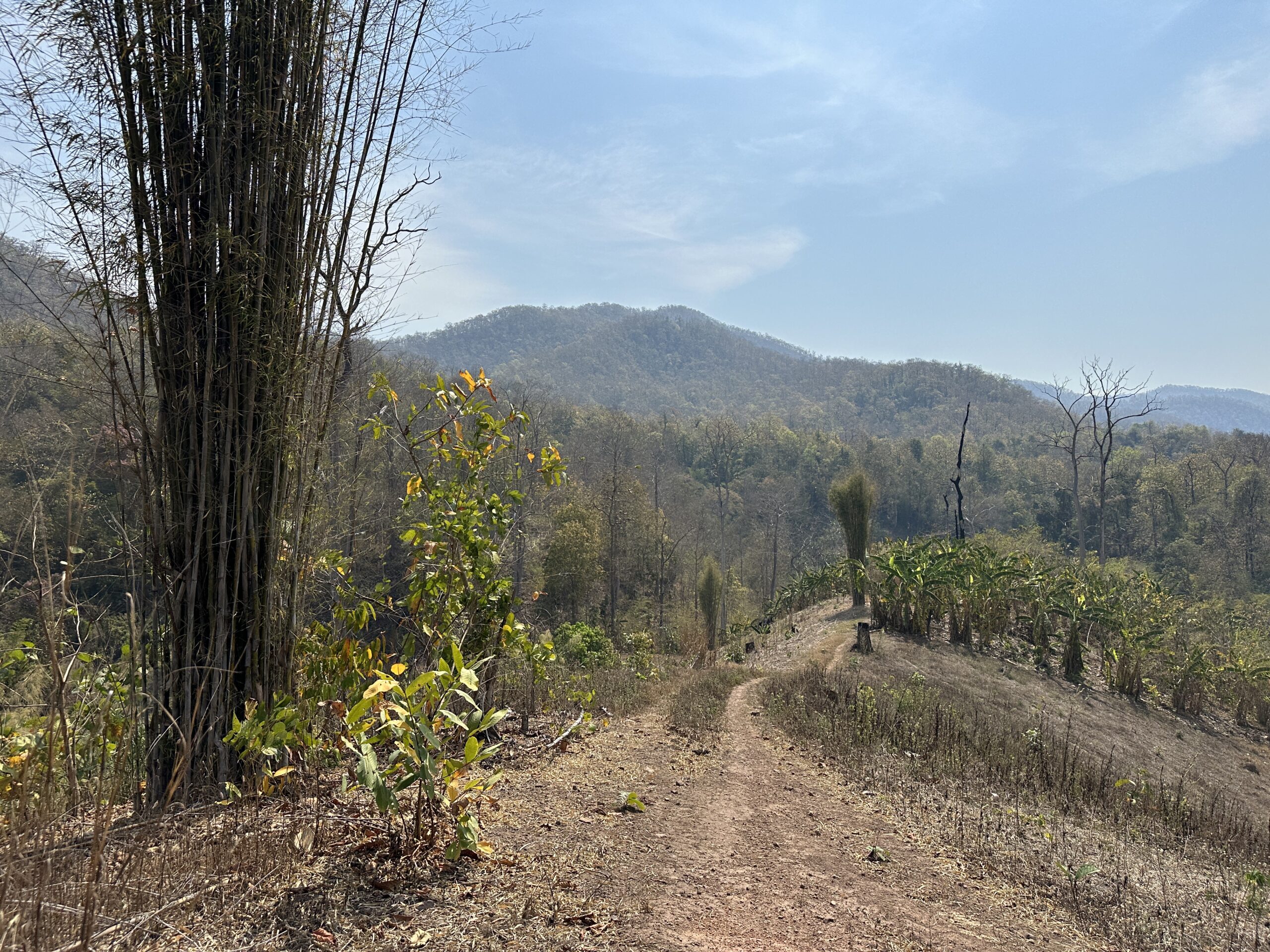 Disposal Area 1, captured on 11/3/2025: Scattered trees and herbaceous weeds dominate the landscape.
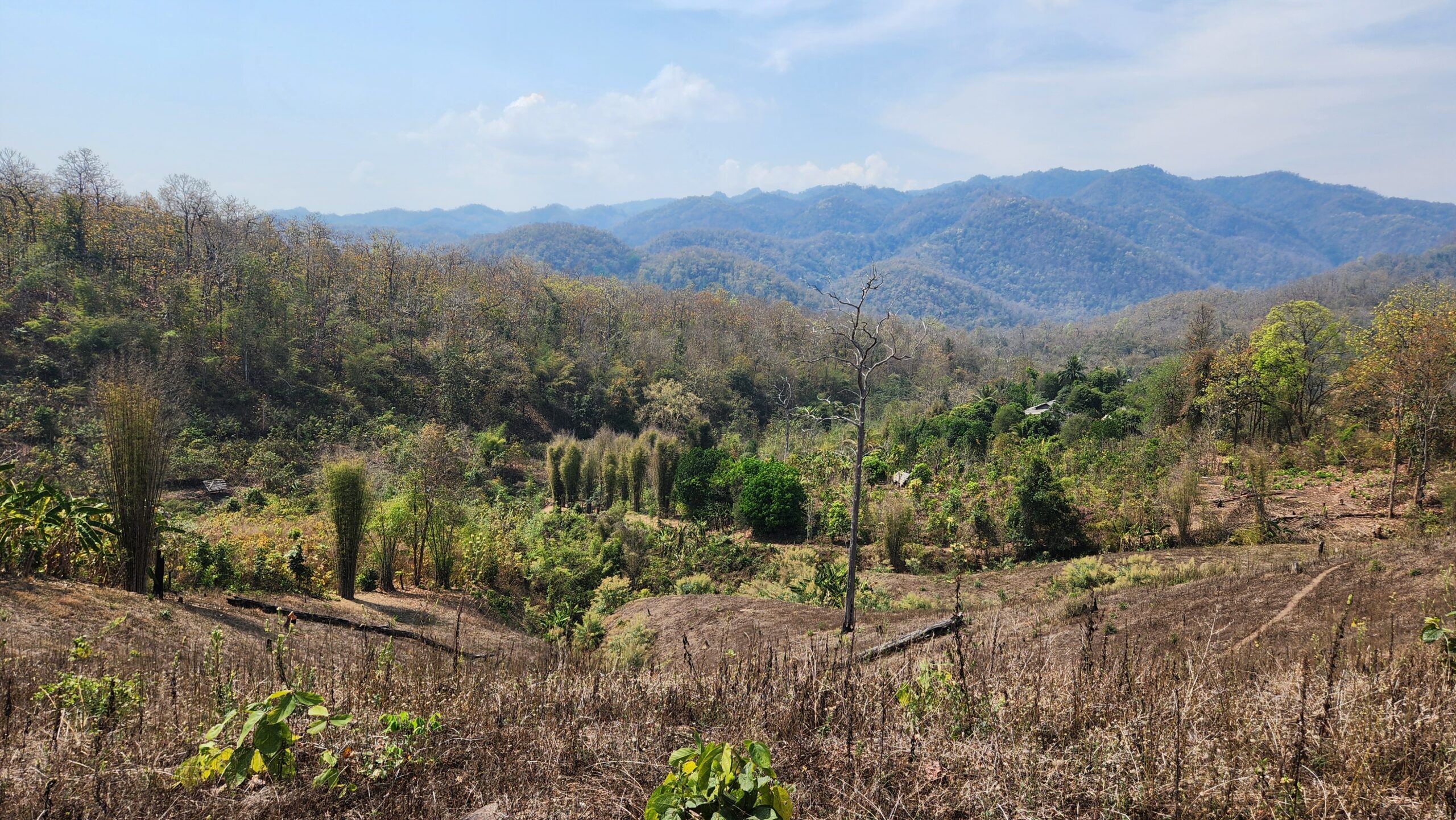 Disposal Area 1, captured on 11/3/2025: Sign of fire occurence, barren landscape
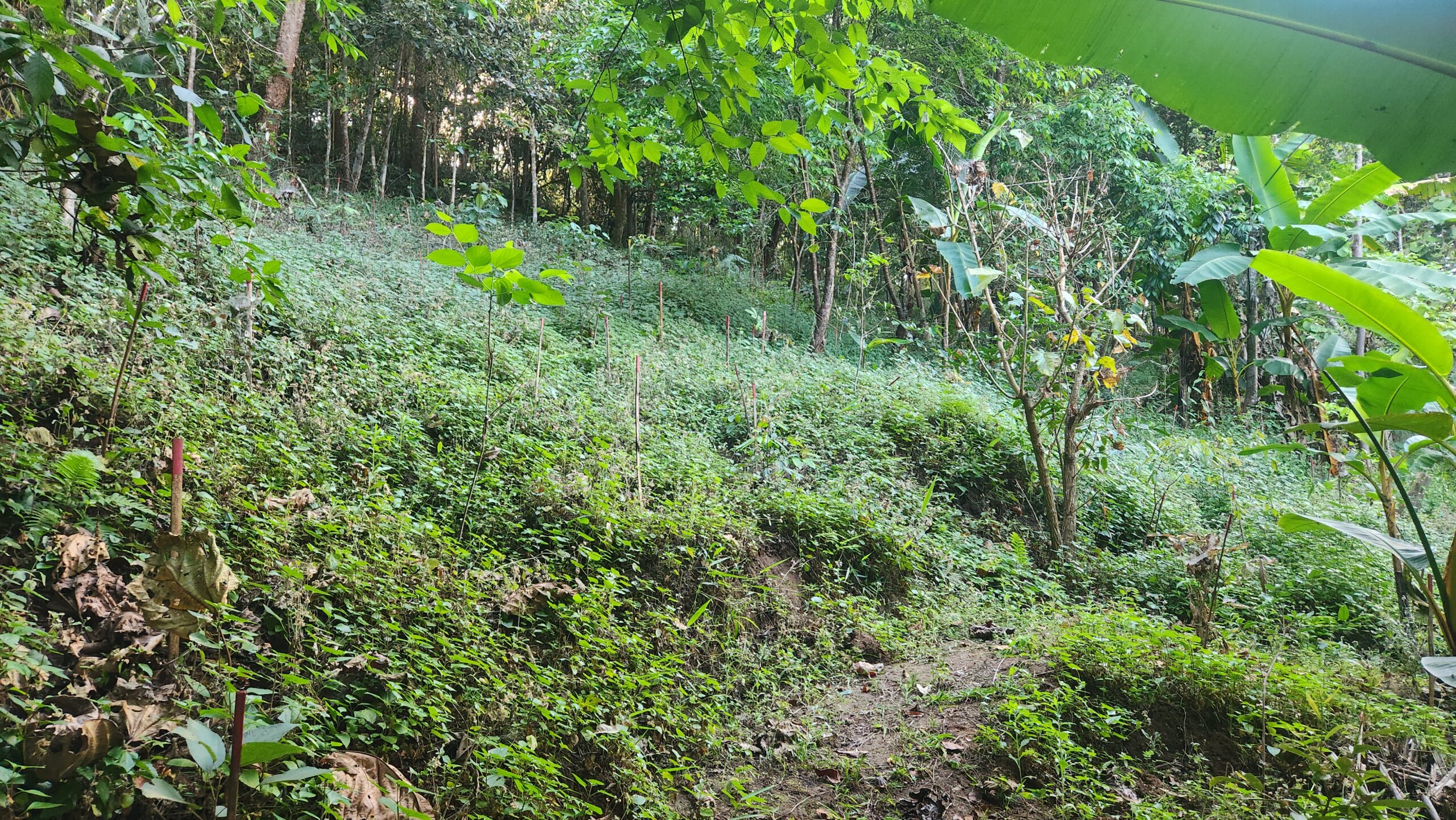 Mon Chom Forest Plot, captured on 13/3/2025: Herbaceous weeds dominate in partially complete tree canopy
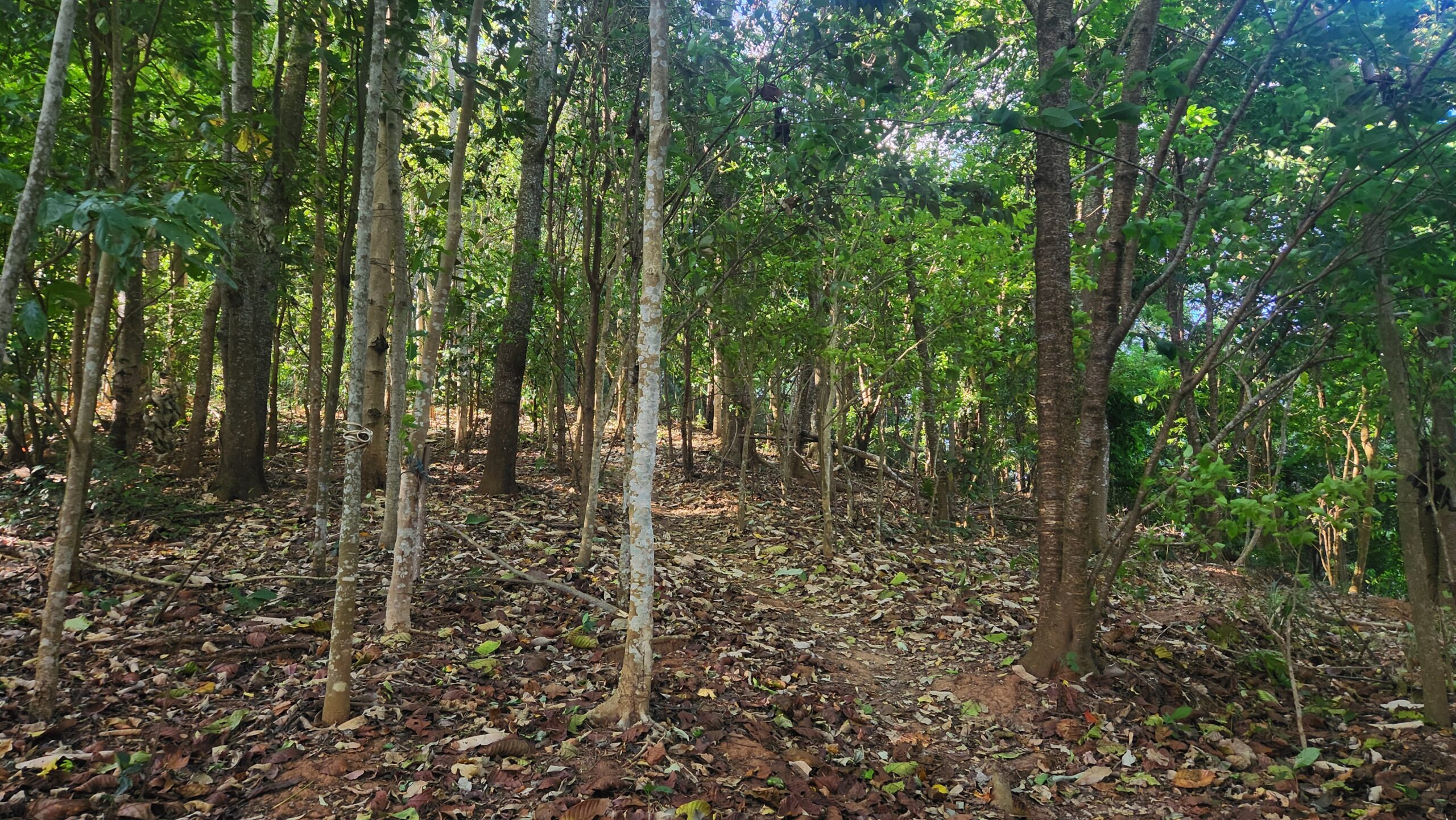 Mon Chom Forest Plot, captured on 13/3/2025: Thin tree truck
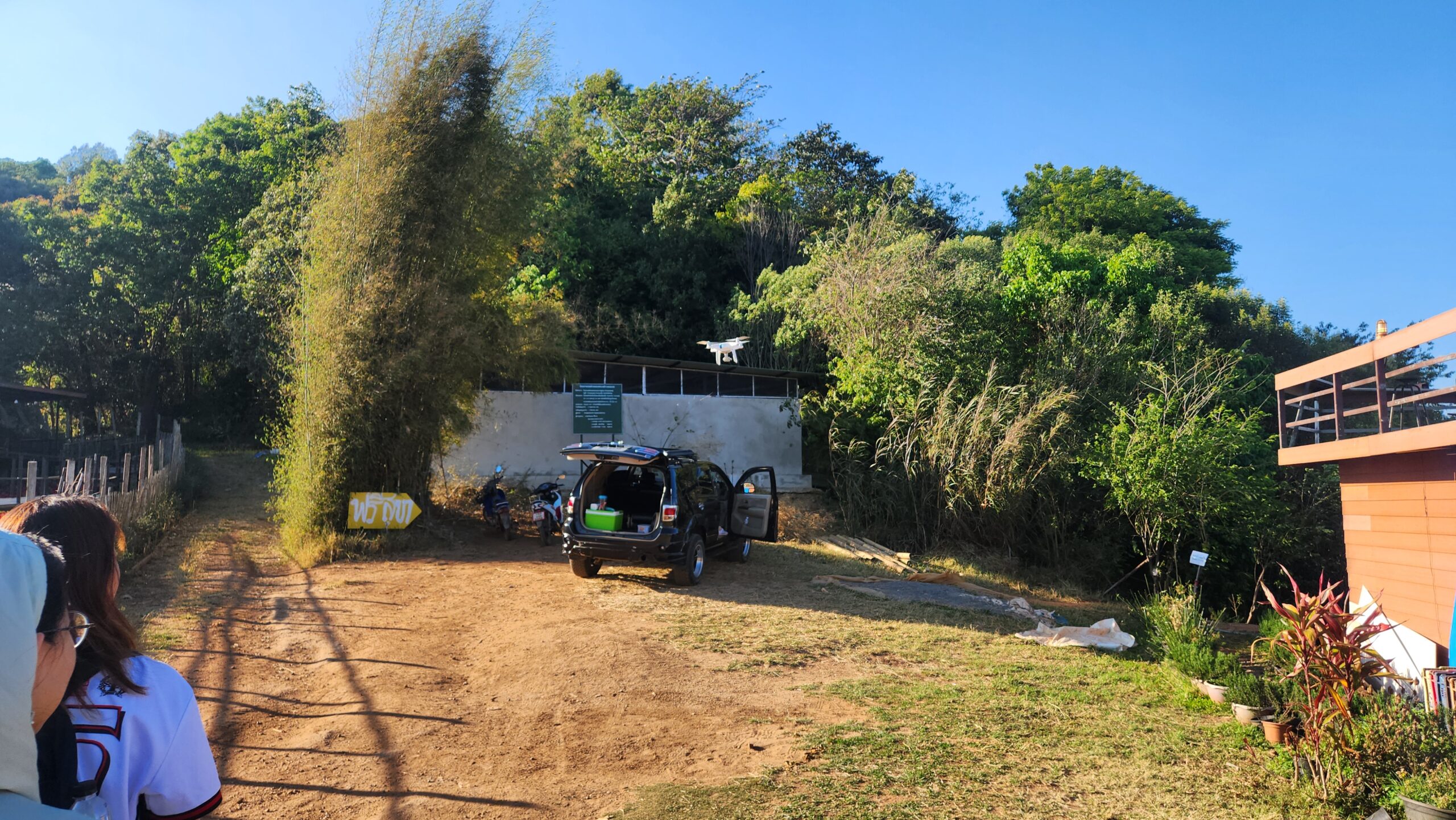 Mon Chom Forest Plot, captured on 13/3/2025: Use of drone to monitor forest growth