Ikebana
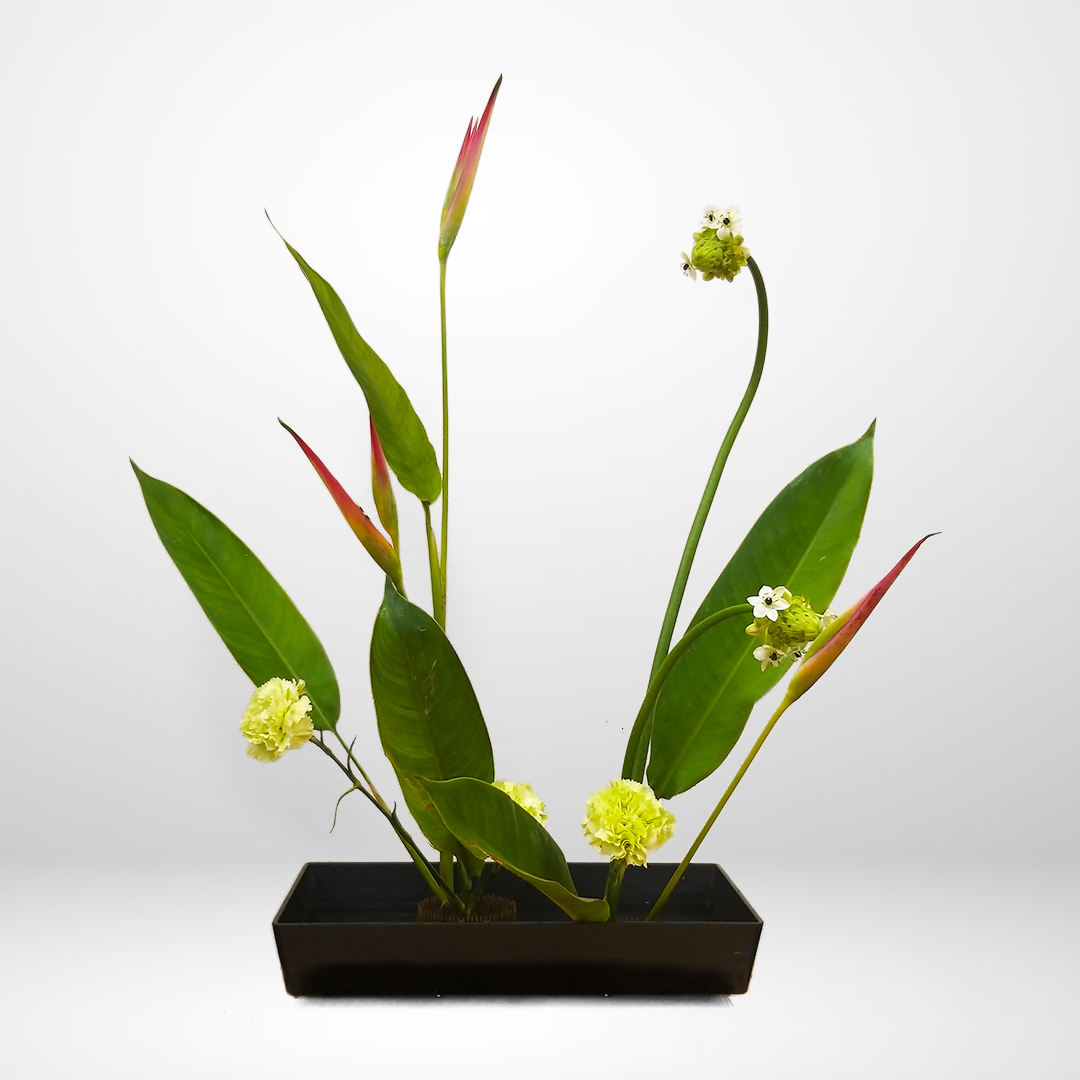
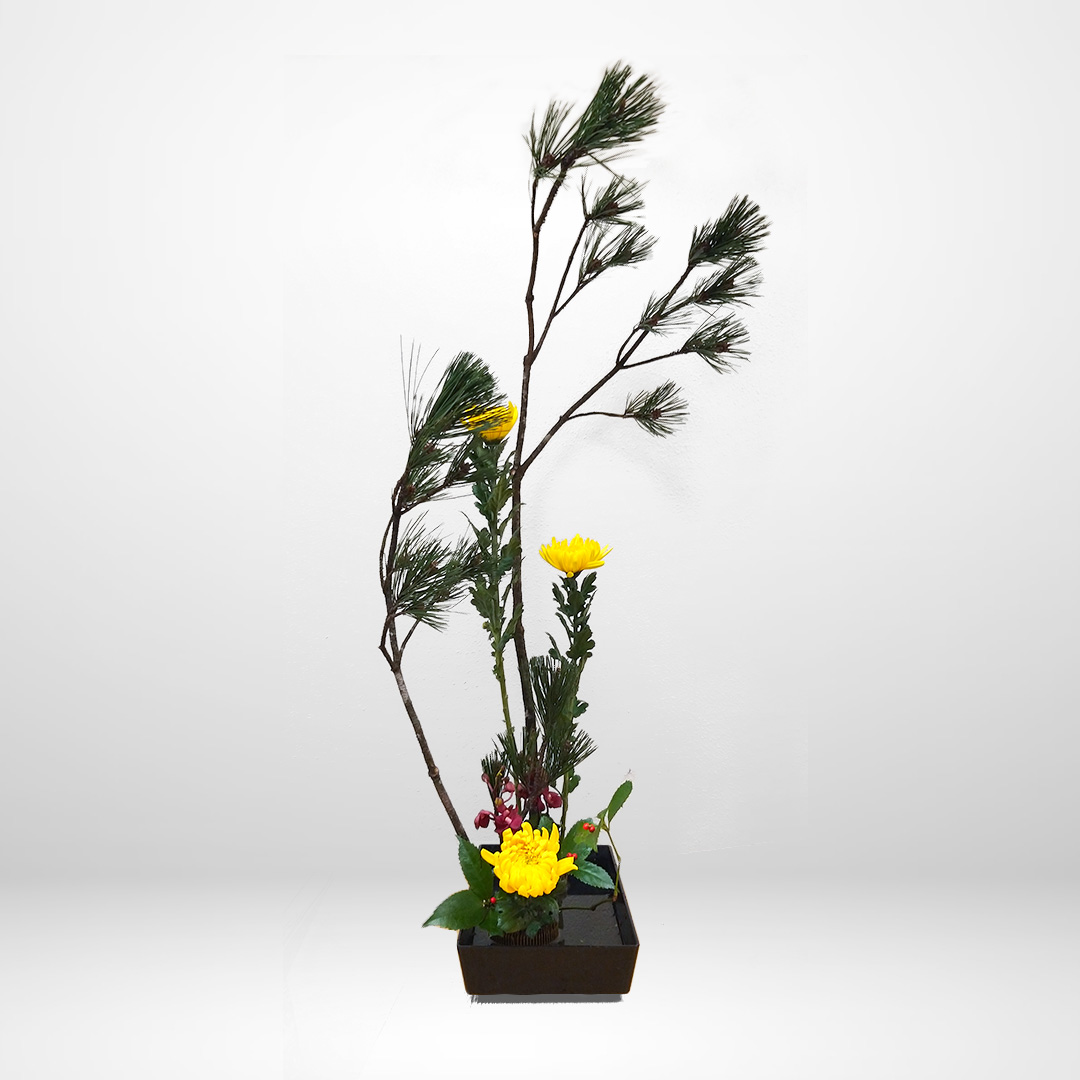
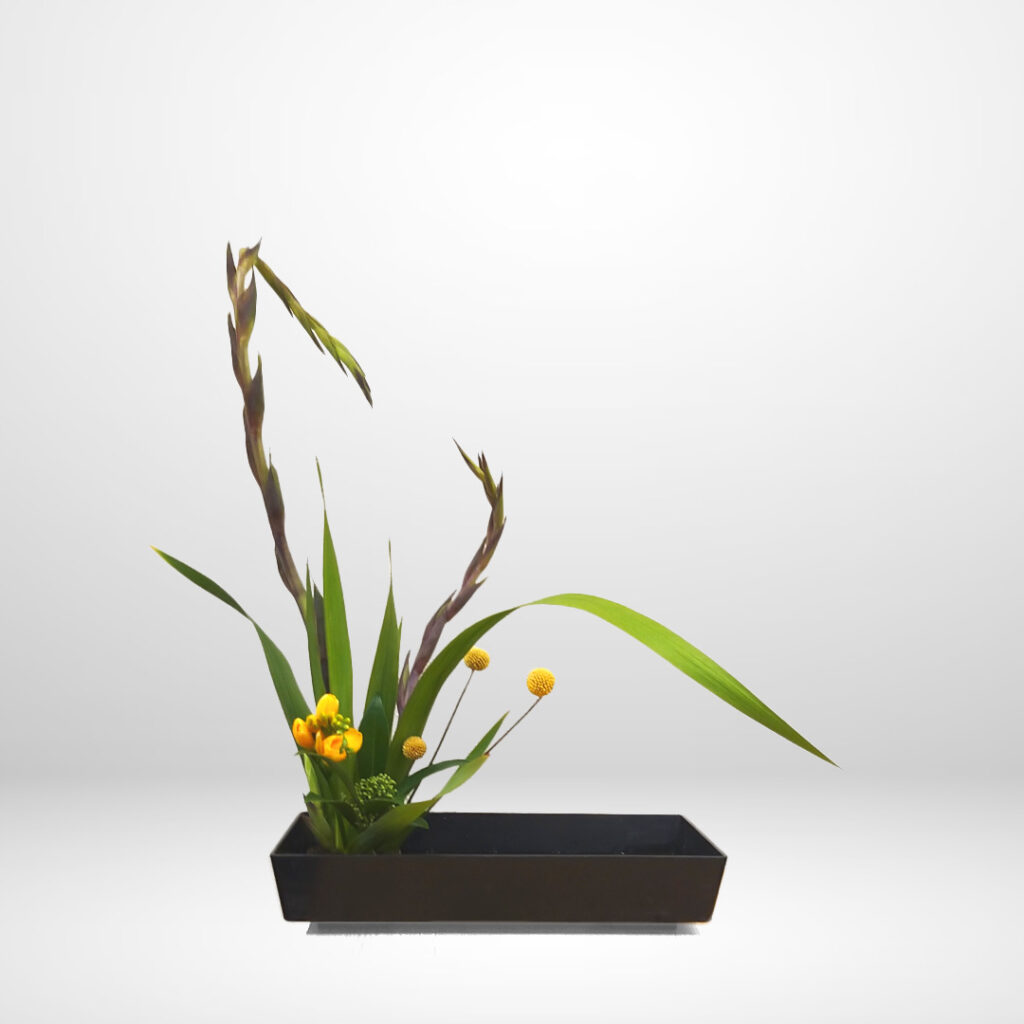
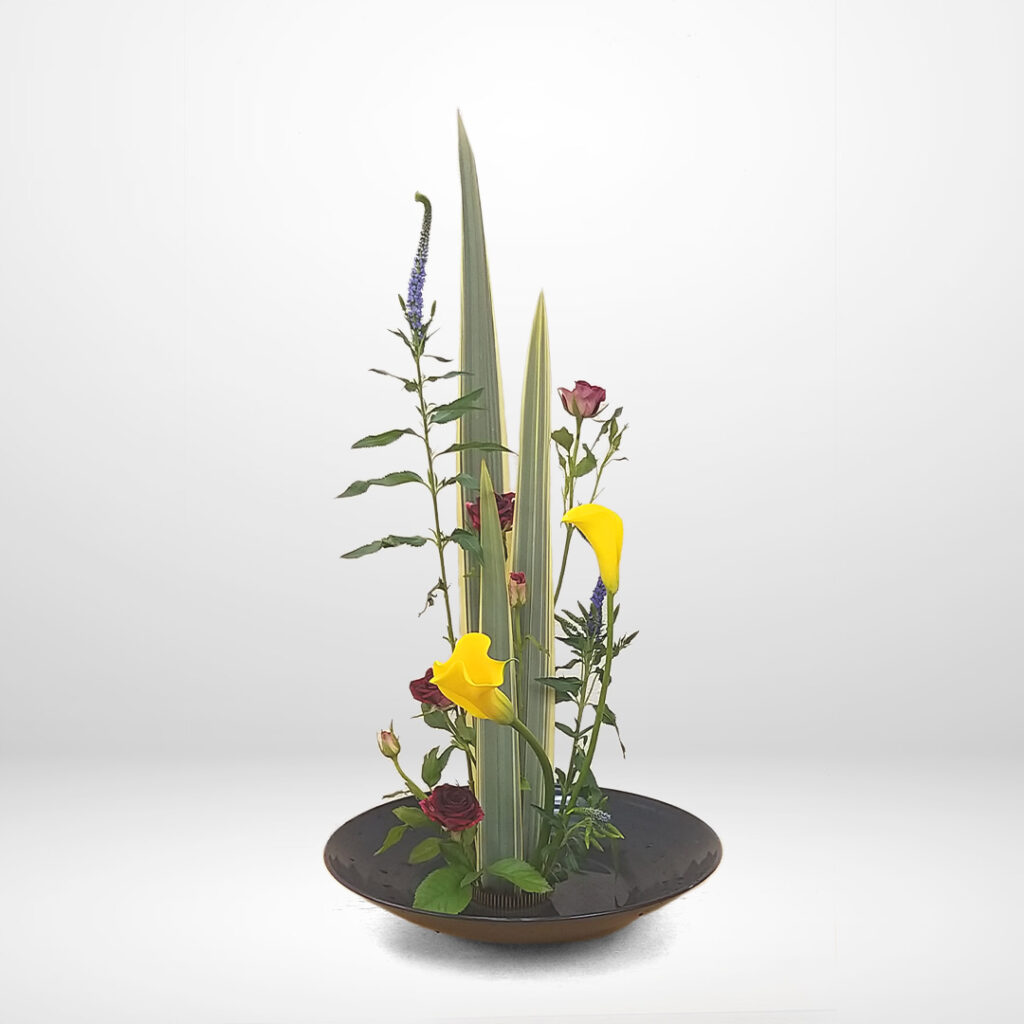
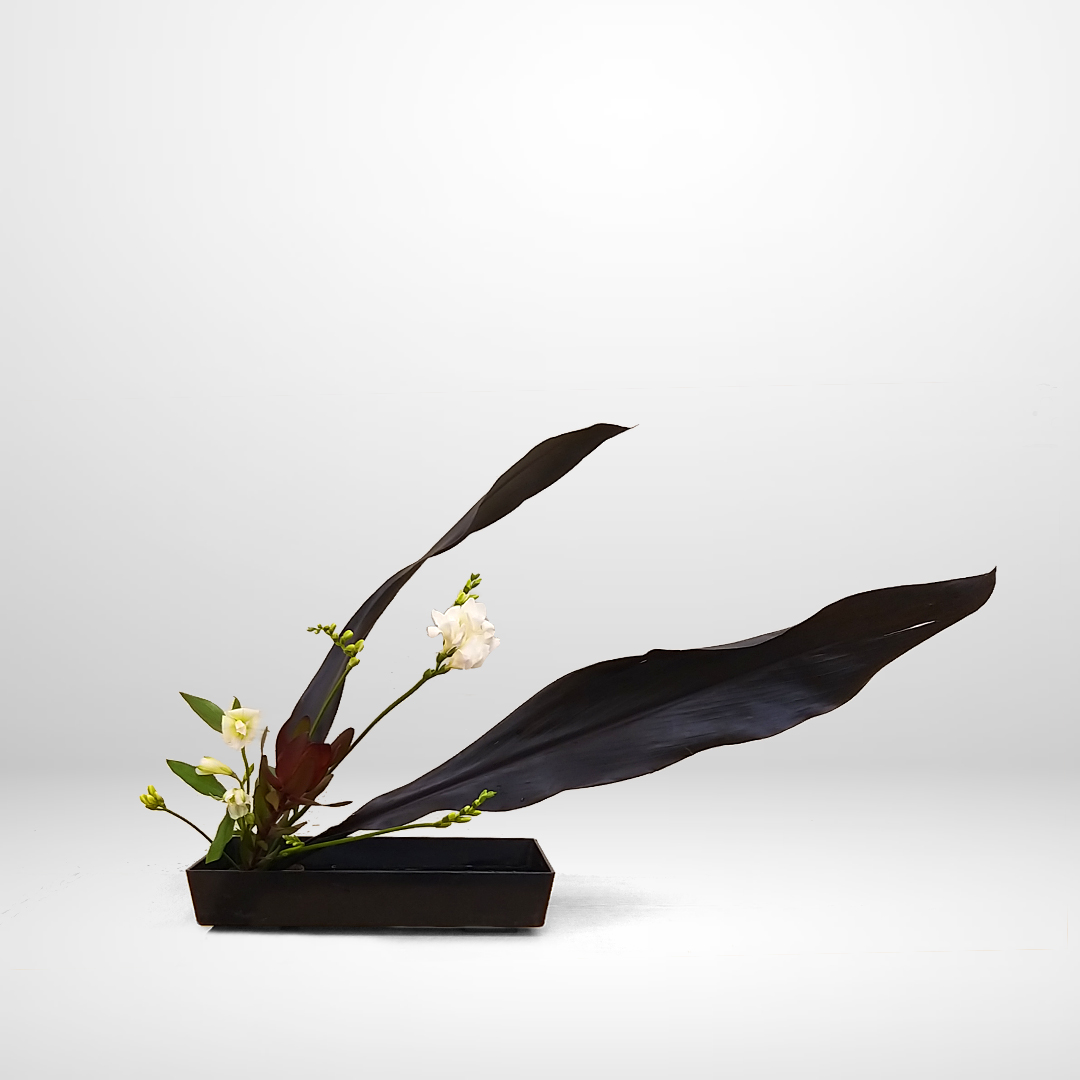
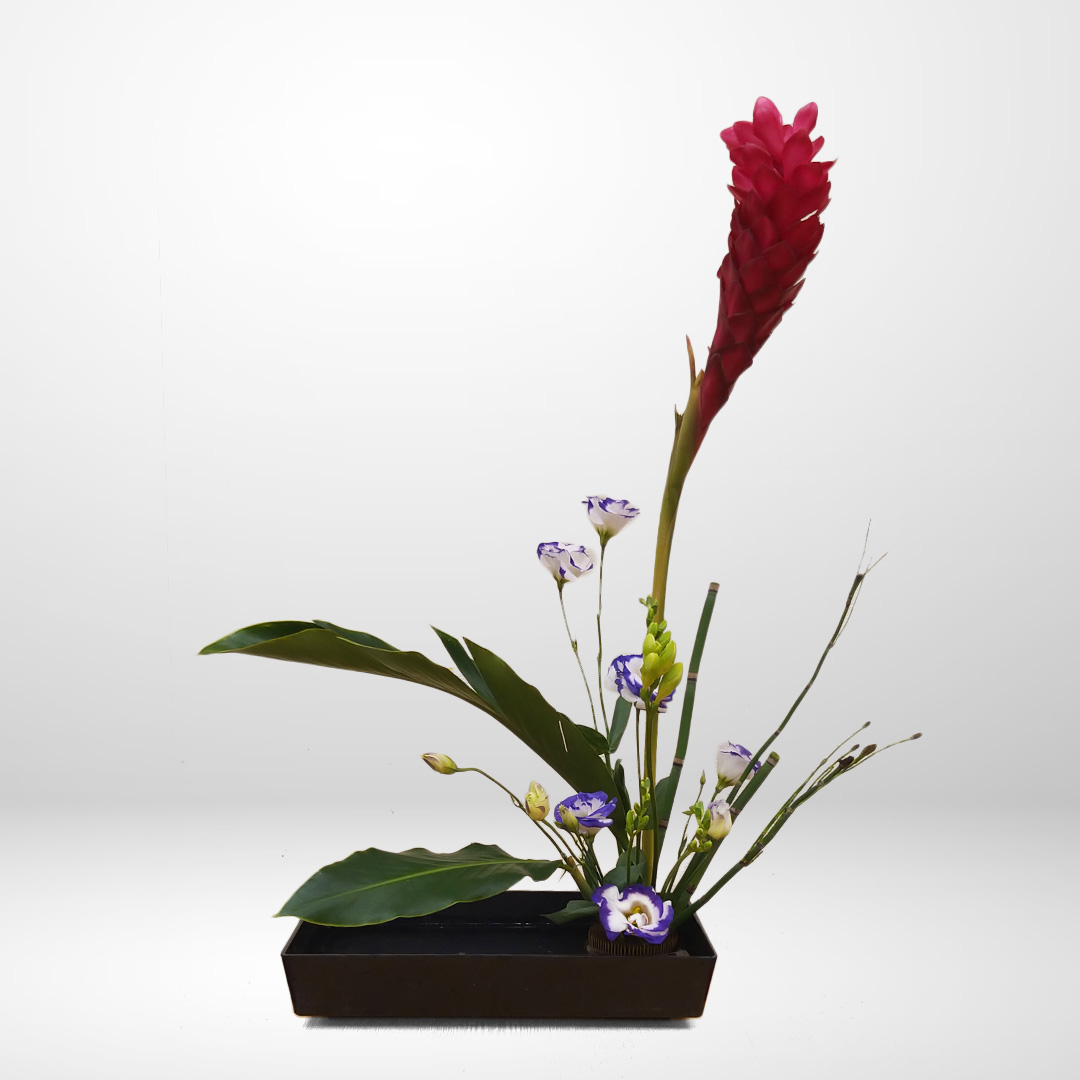
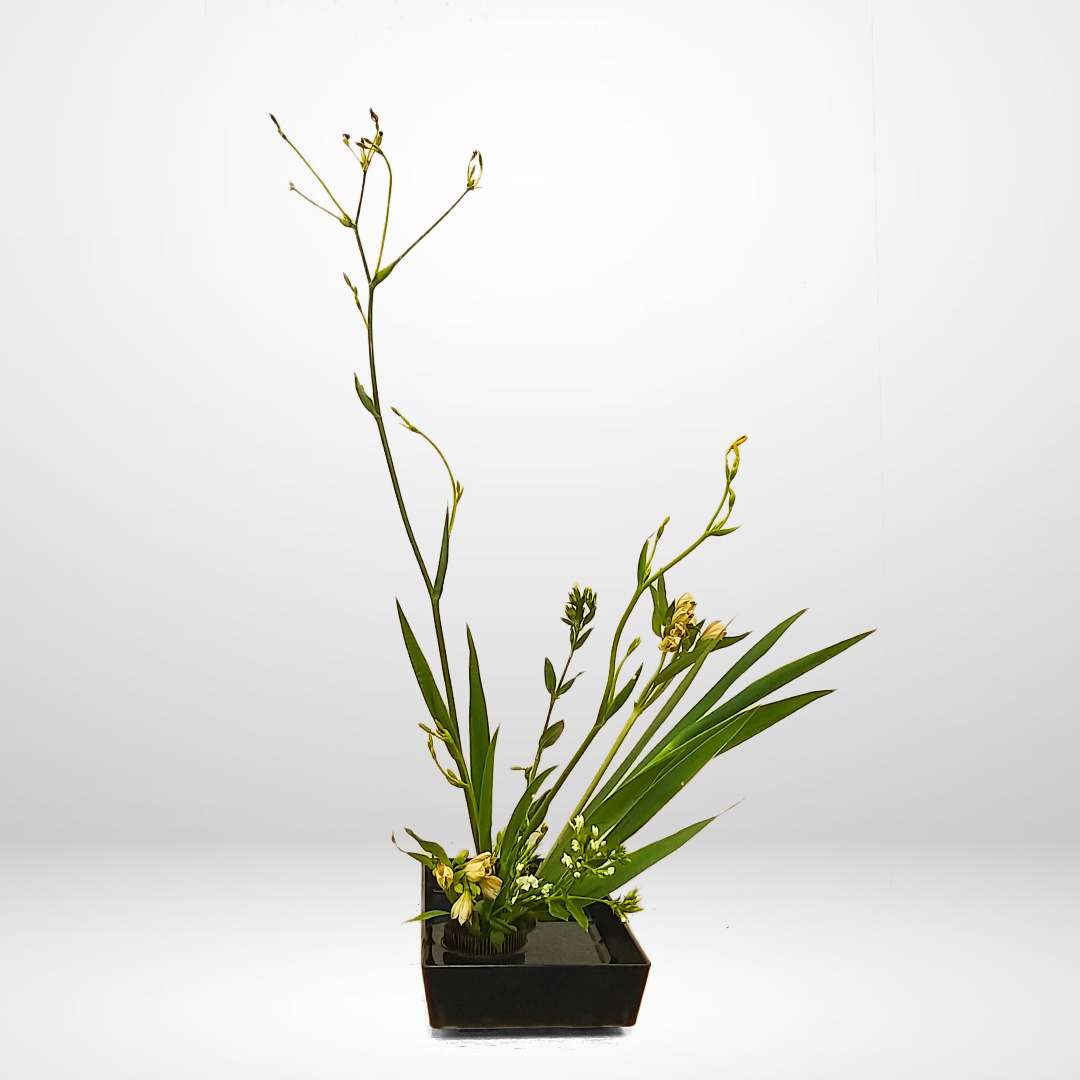
the ancient Japanese art of flower arrangement, traces its roots to China during the Tang Dynasty (618–907 CE), where formalized rituals of offering flowers to the Buddha were developed by Buddhist practitioners.These practices arrived in Japan in the 6th century alongside the introduction of Buddhism from China, initially manifesting as simple floral tributes placed before altars to honor the Buddha and departed souls, symbolizing impermanence and reverence for nature. In Japan, ikebana evolved from these devotional offerings into a refined artistic discipline. By the Muromachi period (1336–1573 CE), it had transformed into structured arrangements using vases, with the Ikenobō school emerging in the mid-15th century as the oldest lineage. A pivotal site in this development was Rokkakudō (the Hexagonal Hall) in Kyoto, a temple founded in 587 CE that served as the birthplace of ikebana; still revered as the Ikenobō headquarters today. Contrary to modern perceptions of ikebana as a feminine pursuit, it was historically practiced by samurai warriors during the feudal era, who embraced it as a meditative discipline to cultivate discipline, balance, and harmony amid the chaos of battle. Today, the benefits of Japanese floral arrangement extend far beyond aesthetics, offering a pathway to pacify the mind through its meditative focus, fostering a profound conversation with the flowers as living entities, and encouraging keen observation of their natural forms and beauty to intuitively guide spatial arrangements that evoke tranquility and impermanence.

Always appreciate your work, Daniel!
Jennifer, thank you for your continued support.