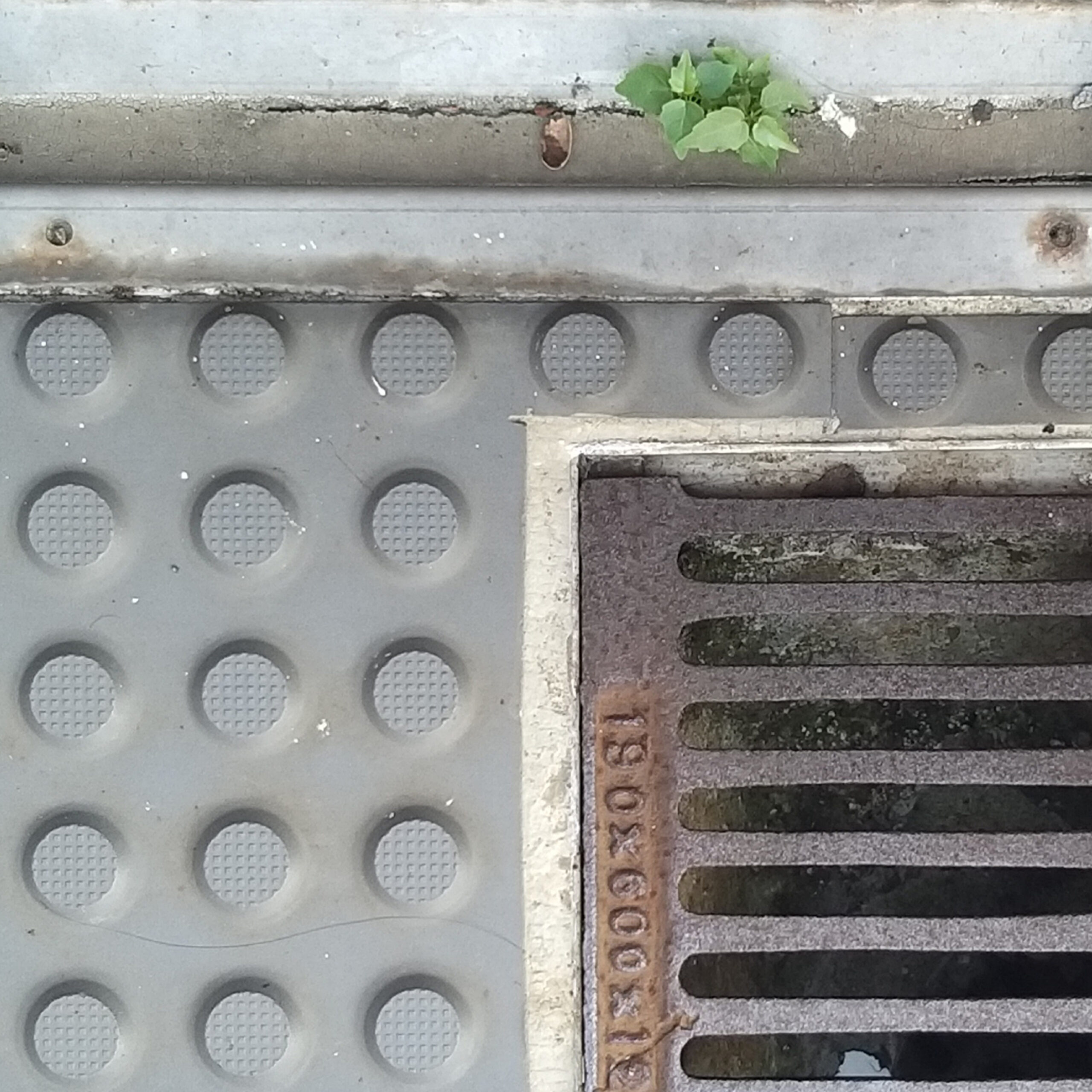
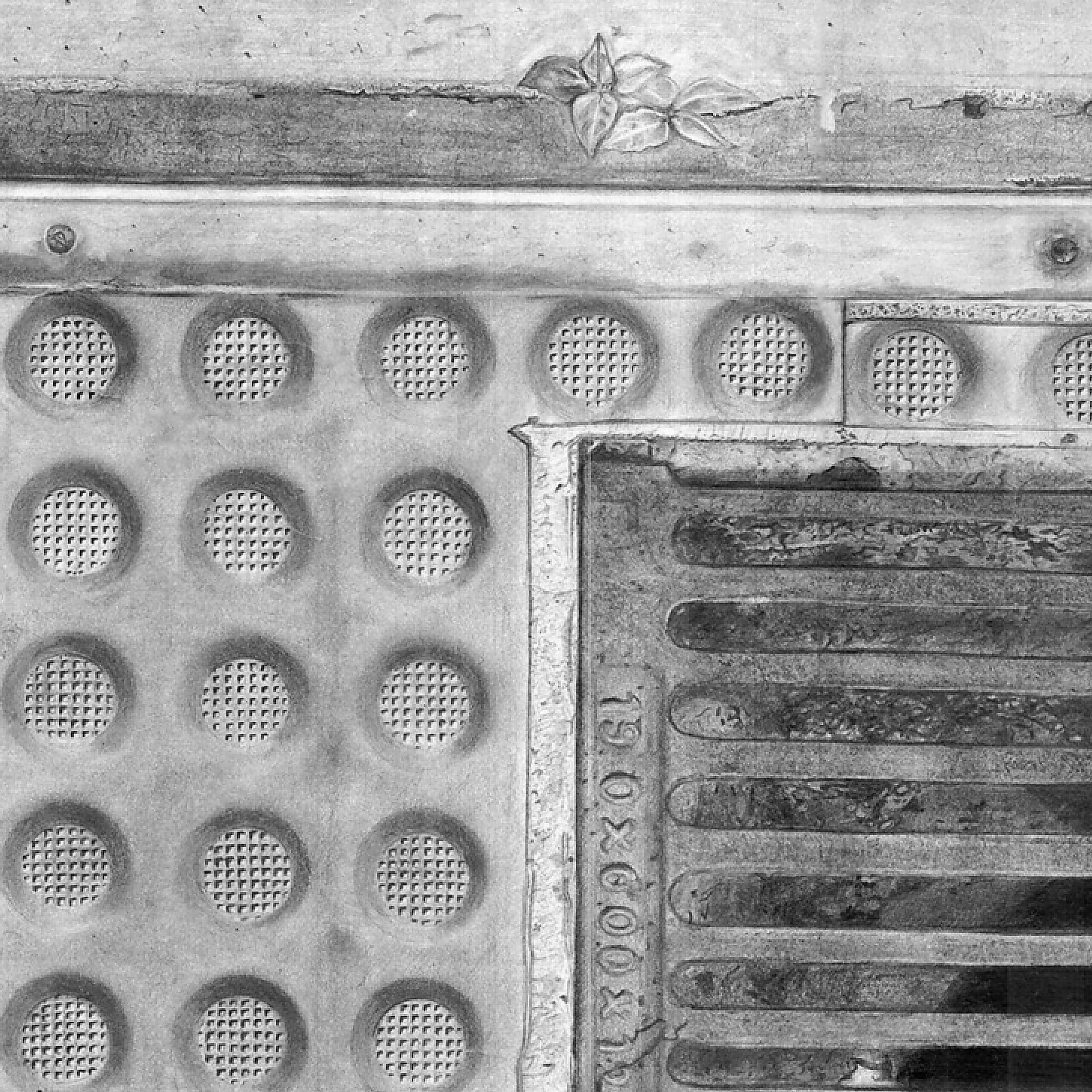
In my exploration of drawing techniques to represent the textures of various materials in landscape architecture, I’ve found that hands-on experimentation is key. For instance, the rough, weathered surface of rusting iron can be effectively captured through stippling—creating a multitude of tiny dots—while its occasional shiny highlights are achieved by subtly adjusting tonal values with a kneaded eraser. Similarly, the smooth sheen of plastic is best conveyed by gentle smudging using a blending stump. These approaches stem from my own trial-and-error process, which, while rewarding, can certainly be time-intensive.
Delving into photorealism has been particularly enlightening, as replicating the intricate details and subtle nuances from a reference photo compels a deeper level of observation. This has led me to ponder the enduring value of drawing in our field, especially in an era where hand graphics are becoming a somewhat forgotten art amid digital tools. Ultimately, drawing encourages us to notice the finer aspects of everyday objects and landscapes, fostering a tangible connection between the mind and hand through the simple act of pen meeting paper. It’s a skill that enriches our design process and keeps our creativity grounded in the real world.