Tropical and Temperate Marine Ecology
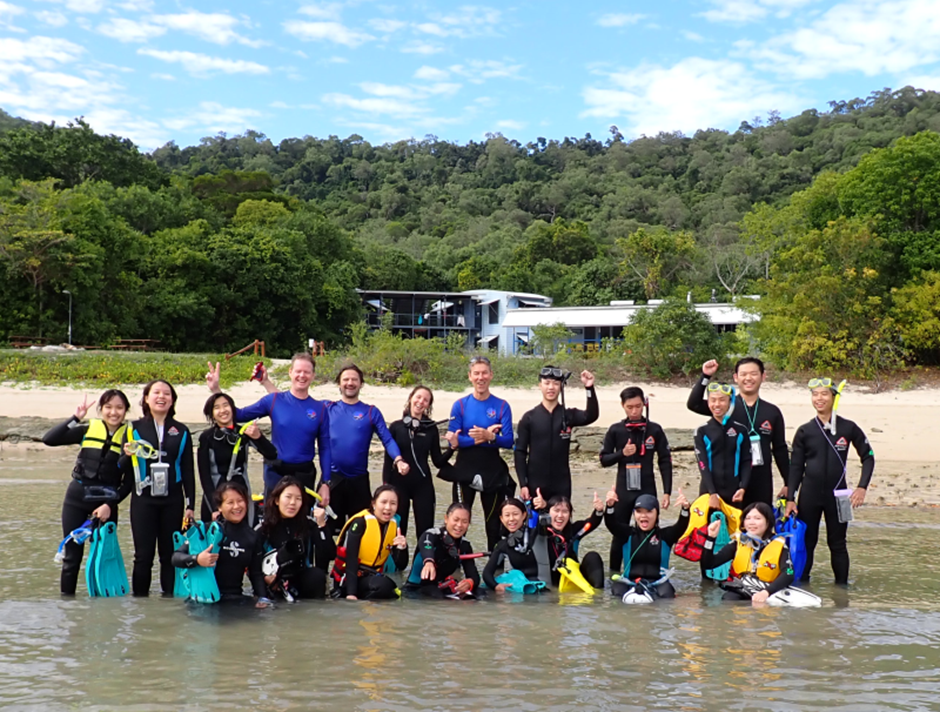
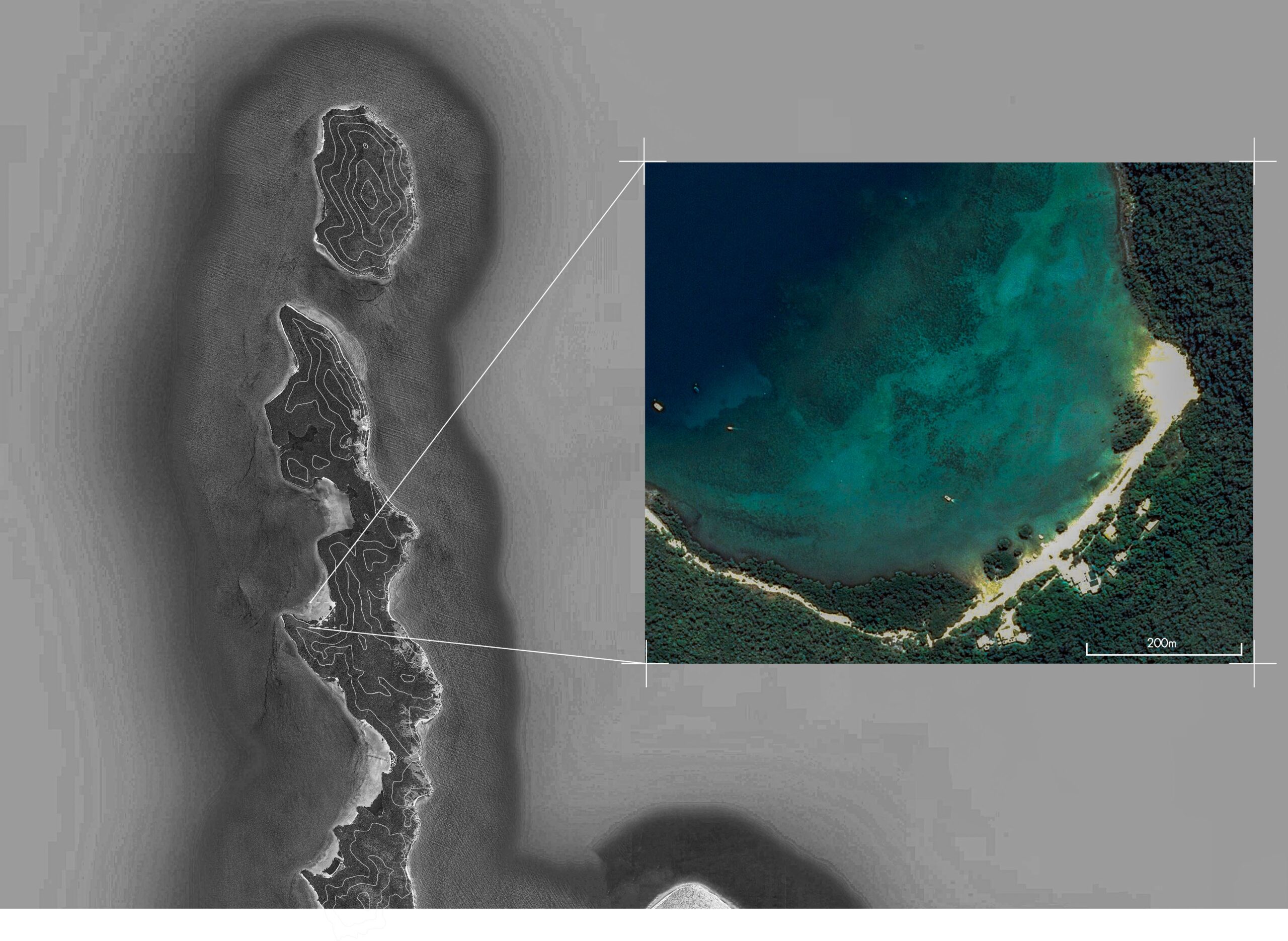
Two-week overseas field immersion in Australia including one week in Sydney (temperate ecology) and one week at James Cook University’s Orpheus Island Research Station on the Great Barrier Reef (tropical ecology); designed and conducted independent research projects; marine habitat sampling in mangroves, coral reefs, and rocky shores, including open-water snorkeling to study biodiversity.
Correlation between the abundance of Lugworm
(Abarenicola haswelli) and marine animal abundance on reef flat during low tide
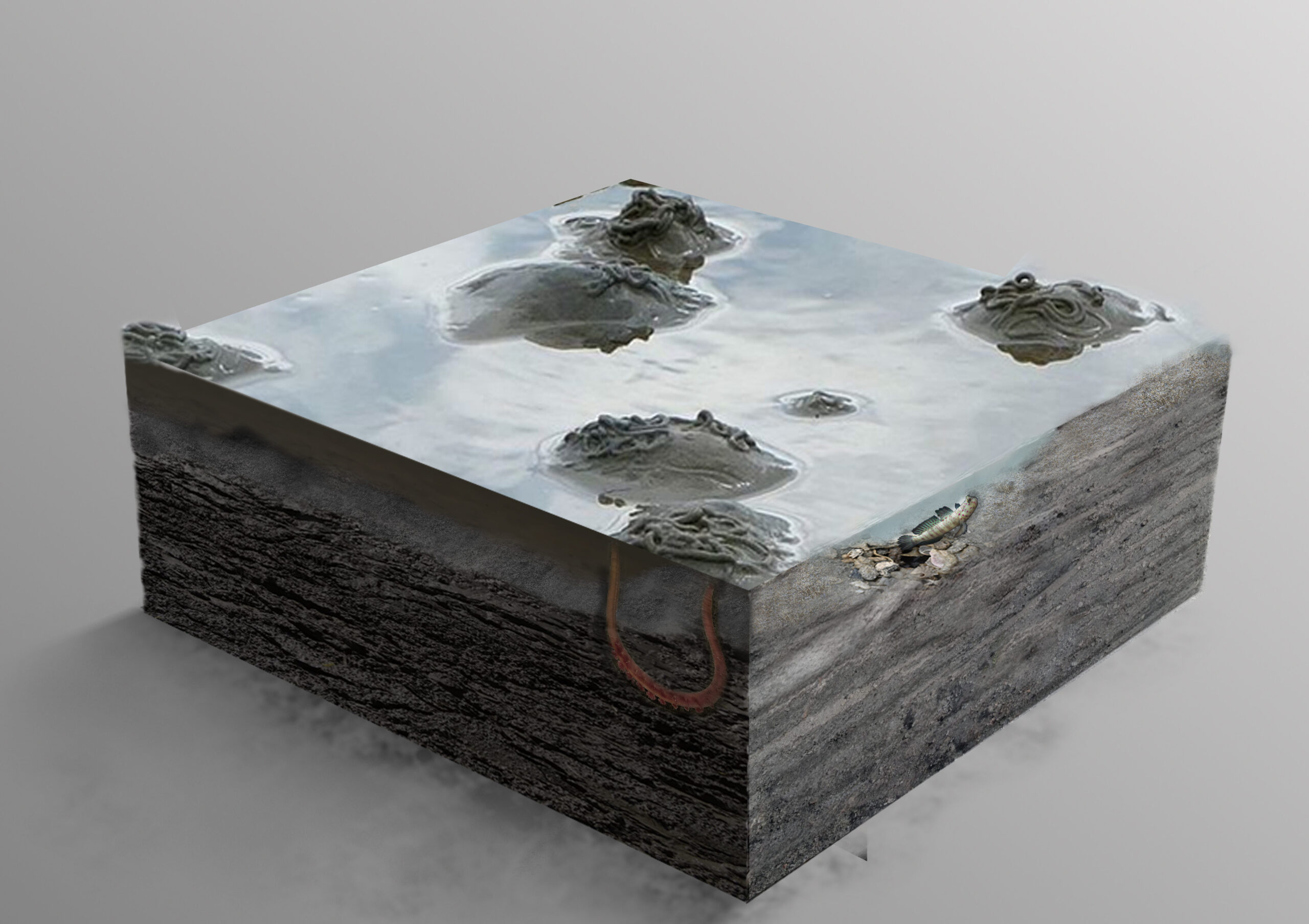
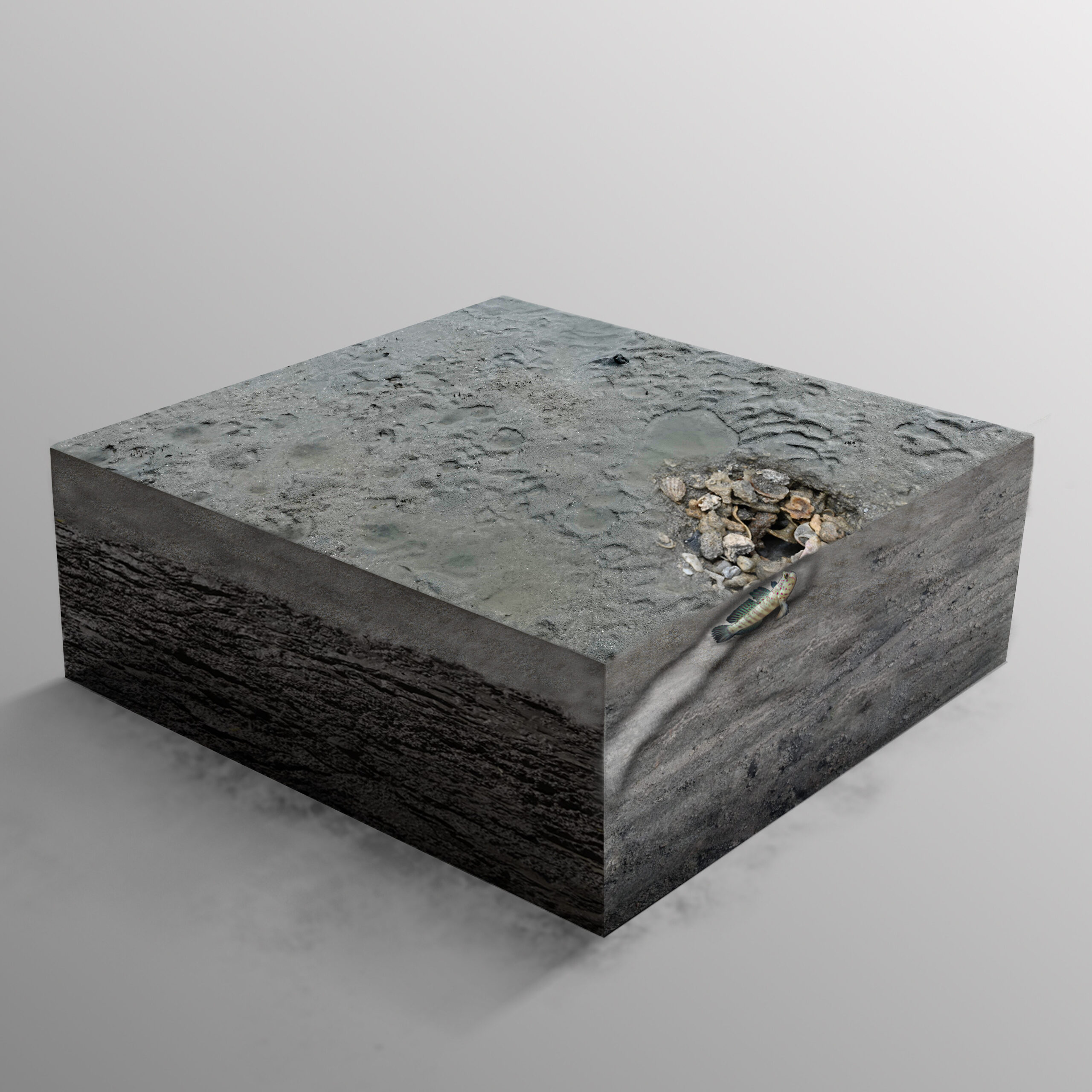
Observations on the reef flat revealed numerous sand dunes and water pits formed by bioturbation activities of lugworms, which restructure the landscape (Riisgård, H. U., & Banta, G. T., 1998). Multiple gobies and their burrows were frequently found in water pits associated with these sand dunes, suggesting that lugworms act as ecological engineers by producing sand dunes and water pits that retain water and create shelters for marine fauna during low tide.
The conceptual model contrasts scenarios with and without lugworms. In areas with lugworms, bioturbation creates a restructured terrain that helps retain water on the surface and provides shelter, leading to higher marine animal abundance during low tide (Riisgård, H. U., & Banta, G. T., 1998). Without lugworms, the flat terrain retains less water, resulting in inactive or absent marine fauna and lower overall abundance.
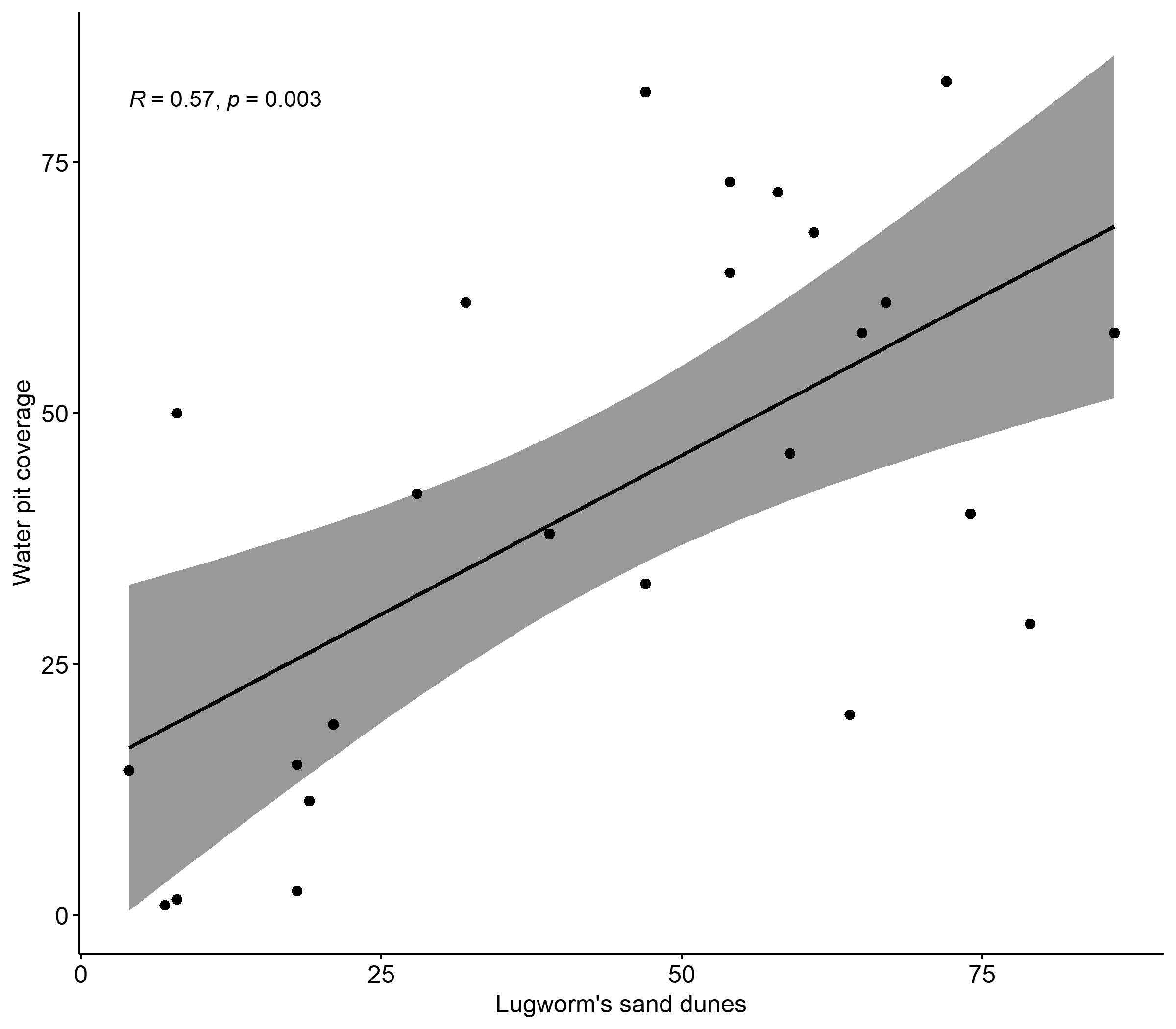
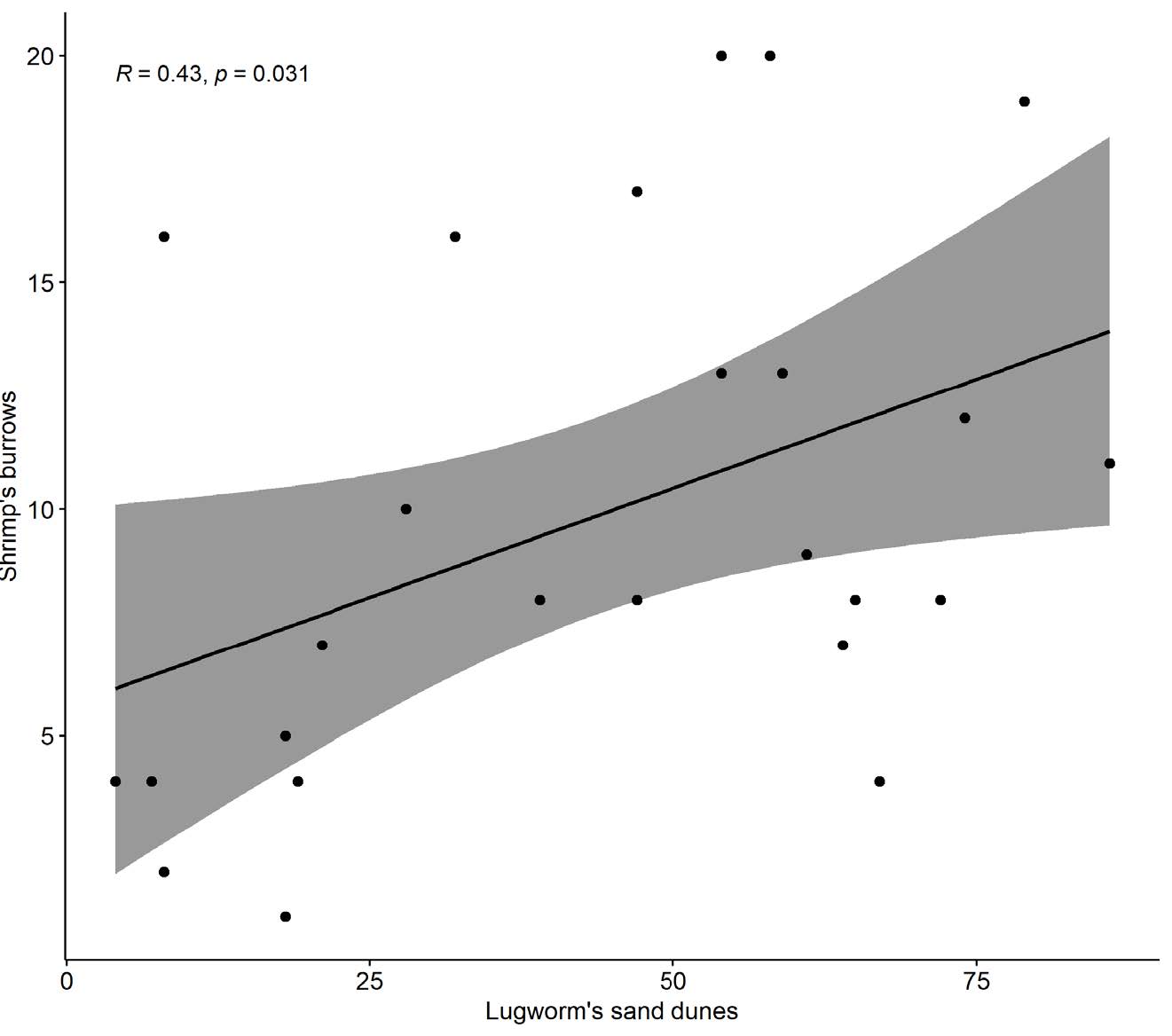
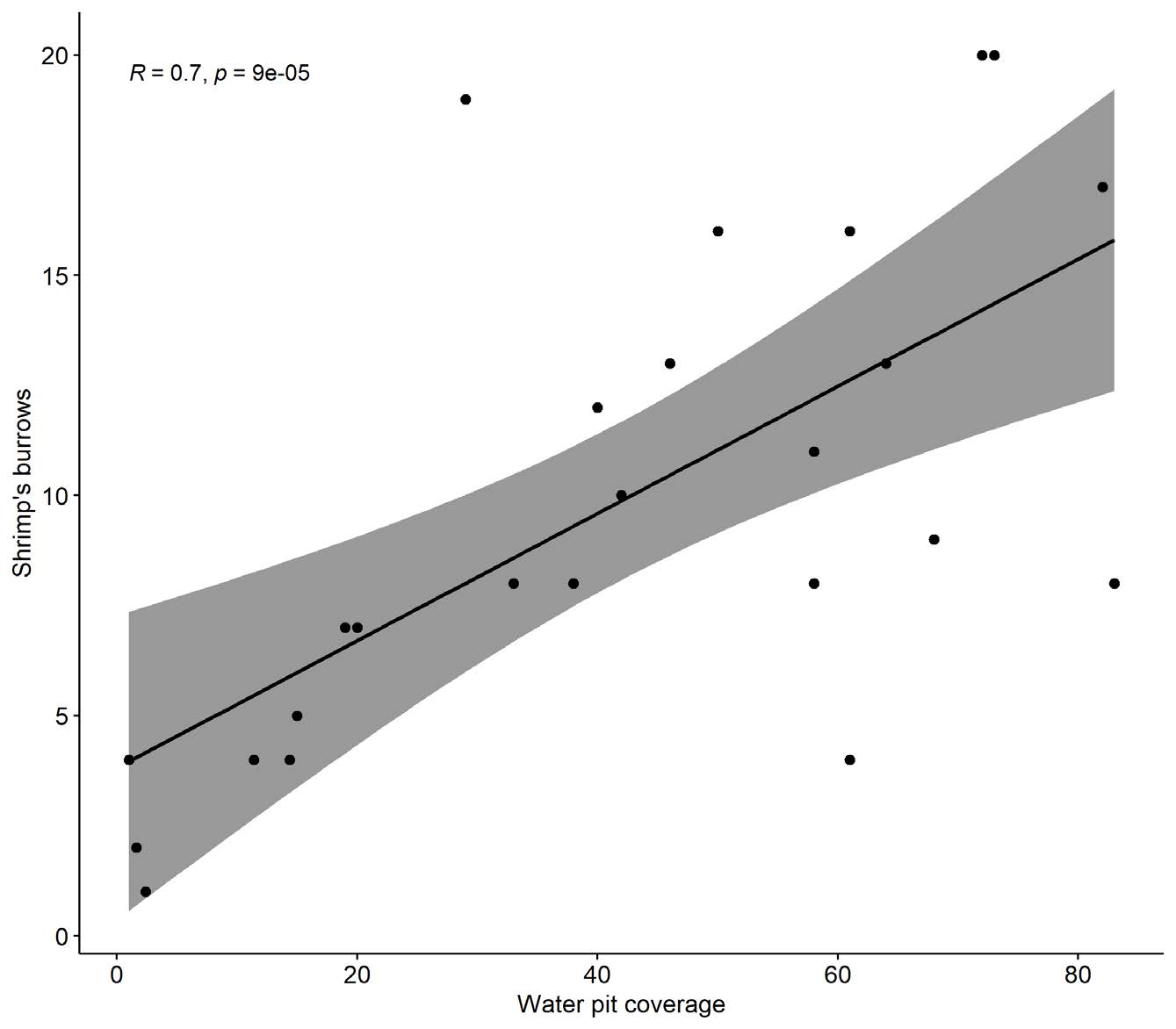
Random quadrant sampling was employed with a total of 25 4x4m quadrants were sampled. The number of lugworm sand dunes was significantly positively correlated with sand dune coverage (R=0.86, p<0.001) and water pit coverage (R=0.57, p<0.01). These indicates that lugworm bioturbation positively influences water retention through sand dune formation. Shrimp burrows were positively correlated with lugworm sand dunes (R=0.43, p<0.05), sand dune coverage (R=0.43, p<0.05), and water pit coverage (R=0.7, p<0.001)
The findings align with the hypothesis that lugworms act as ecosystem engineers, creating sand dunes and water pits that indirectly boost marine fauna abundance (Riisgård, H. U., & Banta, G. T., 1998; Volkenborn, N., 2006). However, water pits did not directly correlate with goby burrows, contrary to initial expectations. Instead, sand dunes directly correlated with both water pits and goby burrows, supporting both H_A hypotheses.
Overall, the study demonstrates that lugworm bioturbation positively affects reef flat ecosystems during low tide by promoting habitat complexity and species interactions (Flach, E. C., 1992; Montserrat, F., et al., 2011).
Impressive work ! Wait for your travel map✈️🚞