Enhancing Biodiversity in Shek Kip Mei Park
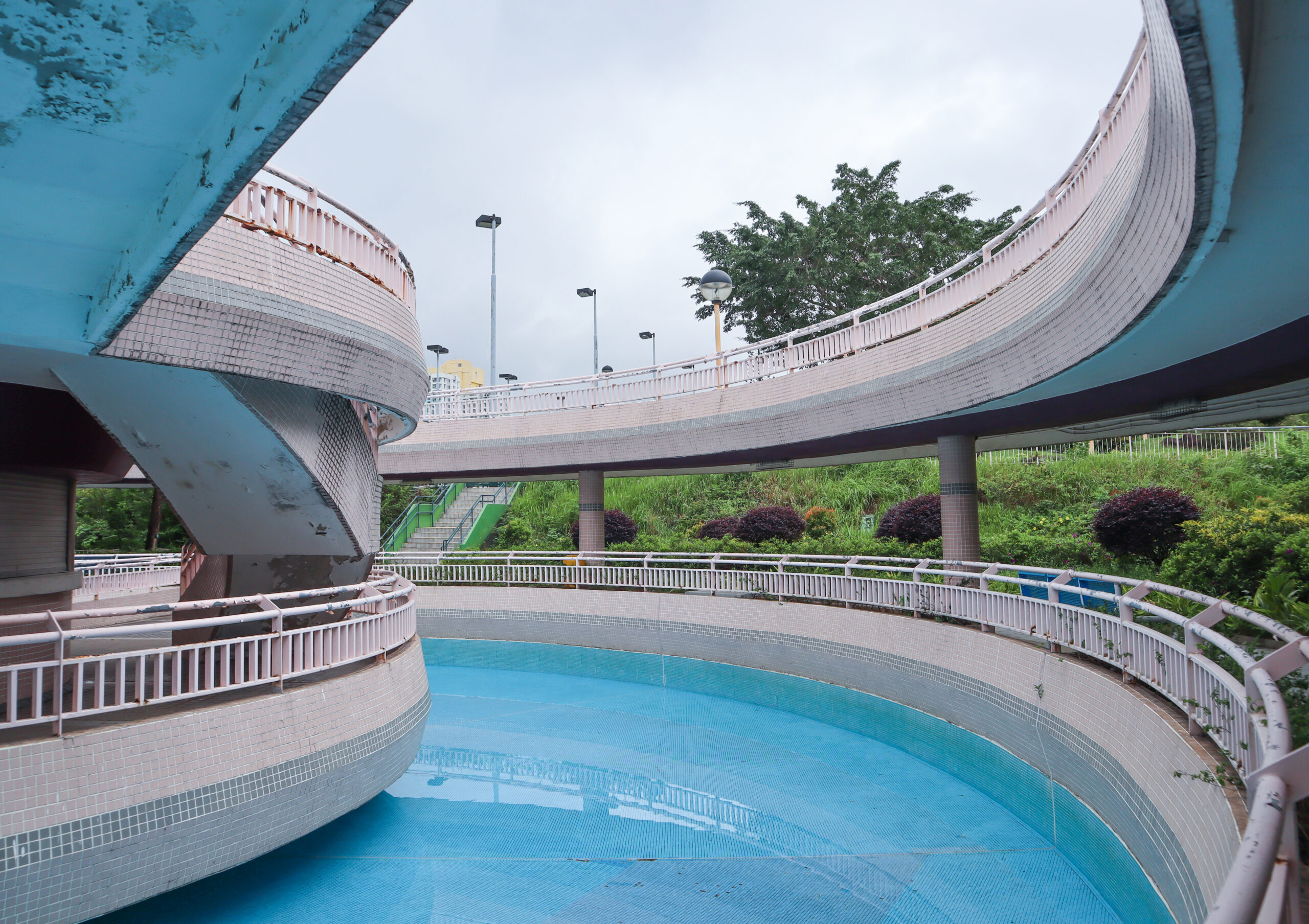
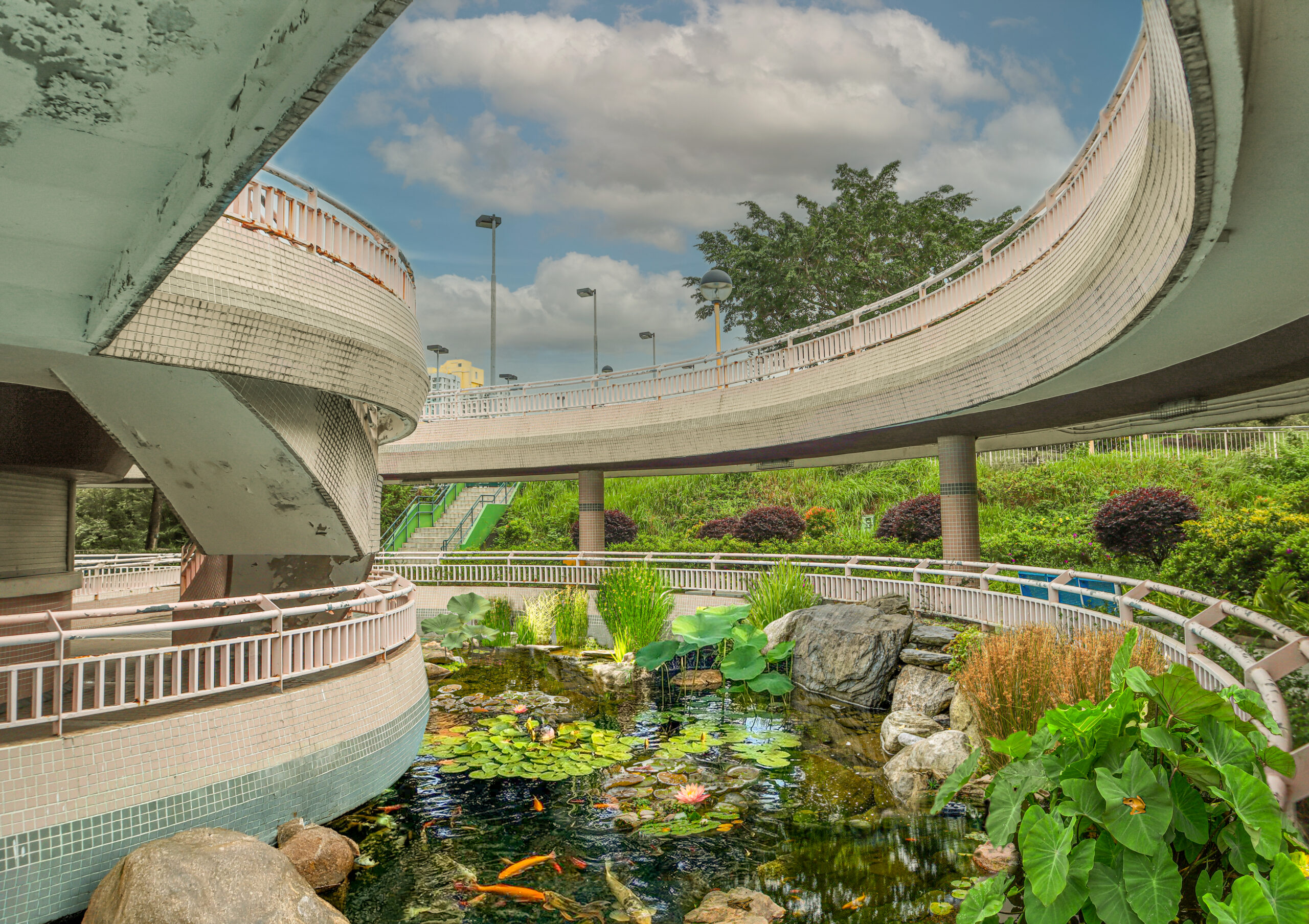
Biodiversity plays a crucial role in sustaining ecosystem services that directly benefit human well-being and city resilience. Biodiverse urban ecosystems are often more productive and stable than those with low diversity, providing essential functions like air purification, water quality improvement, climate regulation, and opportunities for recreation and mental health restoration. Small parks, like Shek Kip Mei Park, contribute to broader ecological networks by supporting species richness, which underpins urban ecosystem functions. Many studies confirm that increased biodiversity enhances ecosystem functioning in plant communities, even in urban settings where space is limited. To enhance biodiversity in Shek Kip Mei Park, we propose converting the current fountain and artificial waterfall into a naturalistic eco-pond. This transformation will create a thriving habitat for local flora and fauna, contributing to the park’s role in urban ecological networks.
The process involves covering the impermeable pavement with a thick layer of soil and mud (approximately 5 cm thick) to establish planting areas for freshwater plants. This will attract amphibians and insects by mimicking natural wetland conditions. Additionally, rocks and pebbles will be placed along the water body’s edges to form shallower, gently sloping margins, facilitating easier movement for animals entering and exiting the pond (Ades et al., 2011). Recommended freshwater plants, selected for their suitability in Hong Kong wildlife ponds as native species that support local ecosystems, include:
– Water Lily (Nymphaea spp.): A floating leaf plant that provides shade during warm weather, helping to keep the pond cool and preventing the spread of algae and blanket weed.
– Taro (Colocasia esculenta): A marginal plant that offers important habitat around the pond’s edges, providing hiding spots for frogs and toads.
– Umbrella Grass (Fuirena umbellata): Another marginal species that creates shelter for amphibians and enhances wildlife habitat along the pond margins.
– Lotus (Nelumbo nucifera): Similar to water lily, this floating plant adds shade and helps control algae growth while contributing aesthetic and ecological value.
– Common Rush (Juncus effusus): An emergent plant rooted below water with leaves above, preferred in shallow areas; it attracts dragonflies during their emergence and metamorphosis.These plants offer multiple benefits: Marginal species around the edges create sheltered habitats for amphibians; emergent plants rising above the water draw in pollinators like dragonflies; and floating varieties help maintain water quality by limiting algae spread (Ades et al., 2011).
Expected wildlife attractions include dragonflies, Gunther’s frog (Sylvirana guentheri), and Brown Tree frog (Polypedates megacephalus), enriching the park’s biodiversity and providing educational opportunities for visitors (Ades et al., 2011).